Q3 2026 Ireland Commodity Market Report: food prices, energy and supply chain trends
Key takeaways
Weather is the defining supply risk in Ireland, following the country's driest July on record and second-hottest since 1900, with a warm, drier-than-average August adding further pressure on grass growth, crop development and livestock water supplies.
Potatoes are the quarter's biggest mover, with drought conditions reducing yields and tightening availability.
Freight has seen one of the sharpest increases this quarter, adding pressure to Ireland's import-dependent supply chains, while electricity costs have also risen steeply.
Coffee, cocoa and sugar are facing renewed upward pressure as global supply and weather concerns persist.
Seafood and poultry are offering some price relief, with haddock, cod, salmon, chicken and pork all easing as supply conditions improve.
Dairy has stabilised and remains well below year-ago levels, although butter has firmed again this quarter.
Energy and logistics remain important cost risks, with crude oil climbing back to multi-month highs amid renewed geopolitical tensions and global market conditions remaining volatile.
What is the Ireland Commodity Market Report Q3 2026?
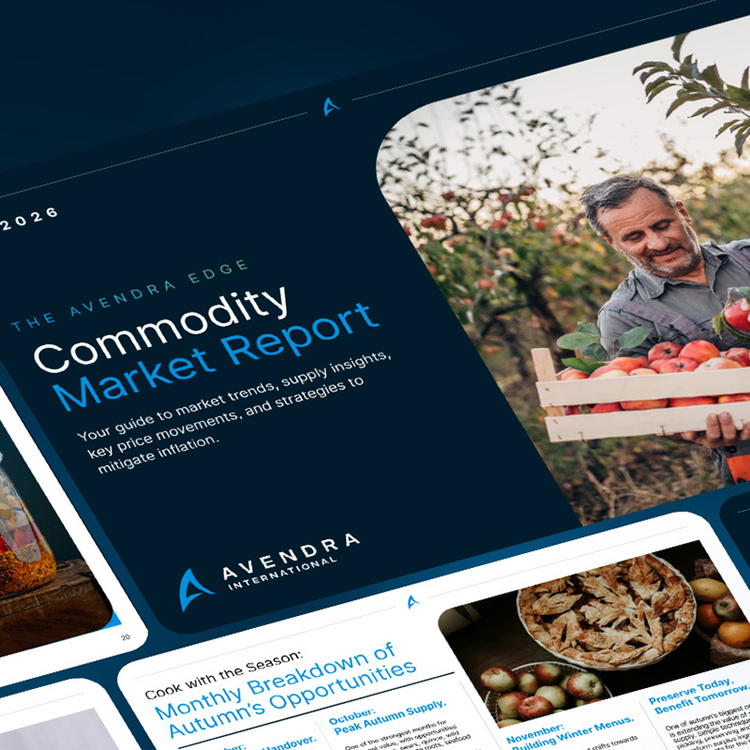
The Q3 2026 Ireland Commodity Market Report brings together the latest market intelligence across food, beverage and non-food commodities, climate conditions, energy, freight and the wider economic environment.
The report is designed to help Irish hospitality, foodservice and procurement teams understand commodity prices, what is driving market movements and where costs could come under pressure.
It covers key categories including meat and poultry, seafood, dairy, fresh produce, oils, soft commodities, energy and logistics, combining market data with analysis of the factors influencing prices, supply and availability.
This quarter, one theme stands out above the rest: weather has become the defining risk to Irish food supply and costs, with drought conditions feeding directly into crop yields, livestock production and availability.
Irish commodity prices in Q3 2026: What is changing?
Weather has become the defining story for Irish commodity markets this quarter. Ireland experienced its driest July on record and second-hottest July since 1900, increasing pressure on water resources, grass growth, crops and livestock production. August remained warm and drier than average, ranking among the warmest on record. Although rainfall picked up late in the month, growers continued to manage the effects of a prolonged dry spell across the south and east.
Global markets are adding further uncertainty. Freight and energy costs remain sensitive to geopolitical developments, while weather disruption across Europe is affecting agricultural supply and imported food products.
Crude oil has strengthened again on renewed tensions in the Middle East and disruption to key shipping routes, while electricity costs have risen sharply.
For Irish foodservice and hospitality operators, local agricultural conditions and international supply chains are increasingly interconnected. This makes sourcing flexibility and forward planning important, particularly as fresh agri-food, energy and logistics costs remain under pressure.
Which Irish commodities are rising in price?
Several major food and non-food commodities are experiencing upward pressure in Q3 2026.
Potatoes. Potatoes have seen the sharpest increase across the Irish market this quarter, as prolonged heat and dry conditions restricted crop development and reduced yields.
Prices also sit well above where they were this time last year, making potatoes one of the key commodity categories for Irish foodservice buyers to watch.
Freight and electricity. Freight has also risen steeply, reflecting higher global shipping costs and adding pressure to Ireland's import-dependent supply chains.
Electricity costs have climbed sharply as well, feeding into production, processing and storage costs across the supply chain.
Coffee, cocoa and sugar. Coffee and cocoa are facing renewed upward pressure, reflecting a combination of weather disruption, tighter global supply and logistics costs.
Coffee remains particularly sensitive to harvest conditions in major producing countries, with excessive rainfall and El Niño risk in Brazil adding uncertainty.
Adverse weather and disease in West Africa continue to unsettle cocoa supply, while sugar has also firmed as global demand remains strong.
Which Irish commodities are falling in price?
There is more positive news elsewhere in the market.
Haddock, cod, salmon, chicken and pork are offering greater opportunities for cost management as supply conditions improve across several categories.
Dairy also remains well below year-ago levels, although butter and cheddar have edged up again over the past three months.
For procurement teams, these differences highlight the value of looking across categories rather than treating overall food inflation as a single trend.
What is driving commodity prices in Ireland?
Weather and drought. Ireland's exceptionally dry July has increased pressure on grass growth, crop development and livestock water supplies.
Prolonged disruption could affect agricultural output and food availability later in the year. Potato yields have already been affected and, as a major producer and exporter of dairy and agricultural products, sustained disruption in Ireland could have wider implications for European food supply chains.
Weather conditions across Europe are also creating risks for imported food products, particularly where crops and production are sensitive to heat and water availability.
Heat and drought across southern Europe are weighing on Mediterranean salad crops, citrus and vegetables, while yield expectations for key arable crops have been reduced and irrigation costs have risen for growers.
Global commodity markets. Weather-related disruption is creating uncertainty across coffee, cocoa, sugar and other agricultural categories, while changing supply conditions are creating opportunities in seafood, poultry and pork.
Global food commodity prices have also started to firm again, particularly for cereals, vegetable oils and sugar. This could feed through into Irish supply chains later in the year.
Energy and freight. Energy and freight remain important risks for Ireland's import-dependent supply chain.
Shipping costs have risen sharply, while geopolitical developments could quickly affect transport and fuel costs further. Crude oil has moved back to multi-month highs on renewed tensions in the Middle East.
As Ireland relies heavily on imported energy, fuel and transport costs remain highly exposed to further disruption.
Energy also continues to underpin production, refrigeration, processing and distribution costs across the food supply chain. Electricity costs in particular have risen steeply this quarter, which can prevent savings in softer agricultural categories from being fully passed through to buyers.
How can Irish foodservice businesses manage commodity price volatility?
Commodity intelligence is only part of the picture. The Q3 report also includes practical culinary guidance from Avendra International's Head of Culinary, Paul Bloxham, designed to help operators make the most of seasonal availability while keeping menus varied and commercially relevant.
Paul highlights autumn and winter produce, from root vegetables, brassicas and seasonal fruit to seafood and game, alongside preserving techniques such as pickling and fermenting that can extend the life of seasonal ingredients.
He also shares a month-by-month view of the season, from September's crossover between summer and autumn to peak supply in October and the shift towards warming winter menus in November, alongside four practical ways to maximise value from seasonal supply.
For Irish procurement and foodservice teams, practical responses to commodity volatility can include:
Monitoring weather-sensitive categories closely
Maintaining sourcing flexibility where possible
Using seasonal ingredients and menu alternatives
Adapting menus around availability and market conditions
Planning ahead where availability is tight, particularly for potatoes
Working closely with suppliers as market conditions change
Download the Q3 2026 Ireland Commodity Market Report
The full Q3 2026 Ireland Commodity Market Report provides detailed market data, category analysis, seasonal guidance and procurement insights across Irish food, beverage and non-food commodities.
Use the report to understand the latest Irish commodity prices, food inflation trends, supply risks and market movements, and identify where there may be opportunities to manage procurement costs.
About the author: Katrina Gibbs
Katrina Gibbs is Supply Chain Reporting Manager at Avendra International. With extensive experience across European supply chain and commercial finance, she monitors commodity markets, price movements and supply risks on behalf of clients.
Katrina brings together market data, supplier insight and expert intelligence to help hospitality, healthcare and foodservice operators anticipate cost pressures and make confident purchasing decisions for the months ahead.
FAQs
What is the Ireland Commodity Market Report?
The Ireland Commodity Market Report is Avendra International's quarterly analysis of food, beverage and non-food commodity markets affecting Ireland. It covers commodity prices, supply conditions, weather, energy, freight and other factors affecting procurement costs.
What is driving commodity prices in Ireland in Q3 2026?
Weather and drought are key drivers, with exceptionally dry conditions putting pressure on crop yields, grass growth and water availability. Global commodity supply, freight and energy costs are also contributing to price volatility.
Which commodities are increasing in Ireland?
Potatoes, freight, electricity, coffee, cocoa and sugar are among the categories facing upward pressure in Q3 2026. Weather is a common factor behind much of the movement, alongside global supply and geopolitical conditions.
Which commodities are falling in Ireland?
Seafood and poultry categories including haddock, cod, salmon, chicken and pork are offering greater opportunities for buyers as supply conditions improve. Dairy also remains well below year-ago levels, although butter and cheddar have recently firmed.
How can Irish foodservice businesses manage commodity price volatility?
Irish foodservice businesses can monitor weather-sensitive categories, maintain sourcing flexibility, use seasonal ingredients and menu alternatives where appropriate, and plan ahead around categories where availability is tight, such as potatoes.
How does Avendra International track commodity market trends?
Avendra International combines market data, supplier insight and procurement expertise to monitor commodity prices, supply risks and wider market conditions. Its Commodity Market Reports translate these developments into practical insights for hospitality, healthcare,education and foodservice operators.
We get it, and we can help.
If you need procurement support to help navigate rising costs, get in touch with our expert team: hello_Ireland@avendra.com