


Plant-based eating is evolving across the UK, Ireland, and Europe, with menus embracing creativity, comfort, and sustainability. Explore five key trends transforming plant-forward dining and download the full plant-based guide for chef-led recipes and all ten trends.

Introduction

Plant-based food is no longer niche. Across Europe, vegan, vegetarian, flexitarian, and reducetarian diets are blending into a shared appetite for meals that taste great, feel good, and reflect modern values.

The market is growing rapidly: the global plant-based food sector was valued at USD 14.2bn in 2025 and is forecast to reach USD 44.2bn by 2035, growing around 12% annually. Flexitarian lifestyles, sustainability concerns, and demand for clean-label, high-quality ingredients are driving innovation in kitchens across the UK, Ireland, and Europe.

In our latest Culinary Guide, Plant-Based Food Trends 2026: Avendra’s Expert Outlook on Vegan, Vegetarian and Hybrid Menus, Paul Bloxham, Head of Culinary at Avendra International – Europe, combines culinary expertise, market insight, and practical guidance. The guide is designed to help chefs, catering teams and foodservice operators create plant-forward menus that delight diners, support wellness, and deliver results.

Here, we highlight five key trends shaping menus today. Download the full guide for all ten trends, plus actionable inspiration and chef-led recipes.
1. Ingredients take centre stage

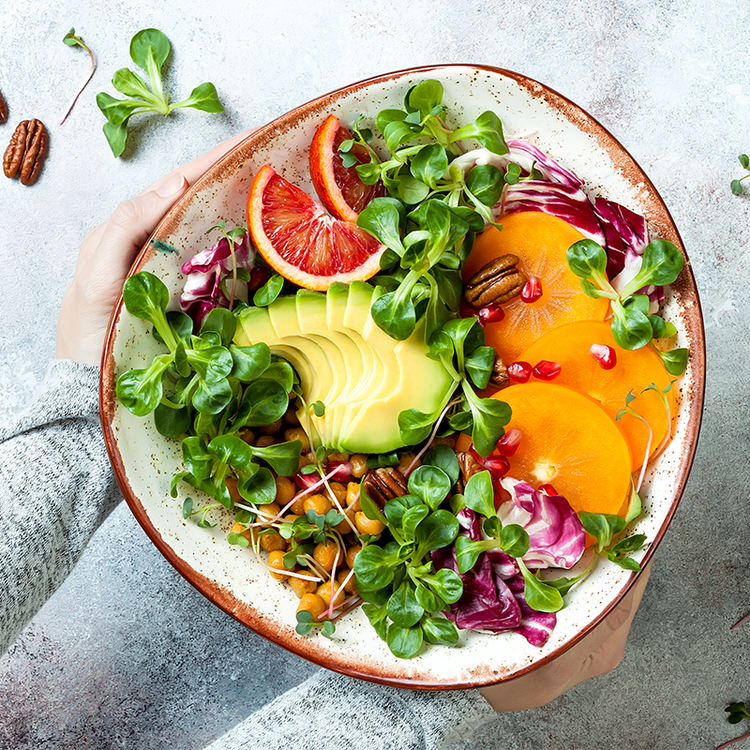
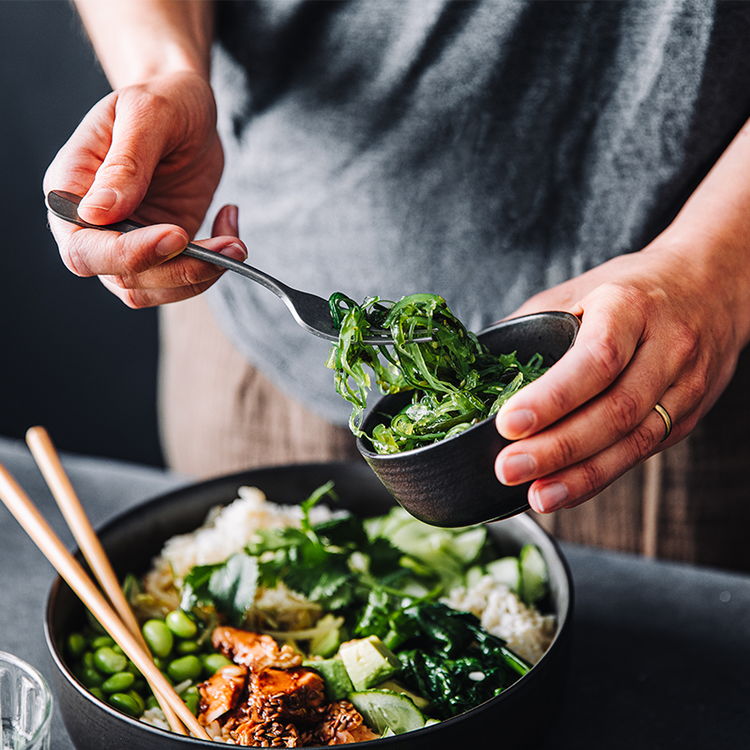
Plant-based food is moving beyond imitation meats. Chefs are putting vegetables, grains, pulses, sea ingredients, and fermentation at the heart of menus, creating dishes that are flavourful, visually exciting, and craveable.

2. Clean, transparent, authentic

Consumers want simple ingredients and honest sourcing. Clean-label dishes, slow cooking, fermentation, and pickling techniques are driving flavour and authenticity, while meeting growing expectations for transparency.

3. Comfort reimagined

Nostalgic favourites are being reinterpreted with global flavours, premium ingredients, and plant-based creativity, delivering indulgence without compromising nutrition or sustainability.

4. Nutrition beyond protein

While protein remains important, menus now also focus on fibre, gut health, mental wellbeing, and balanced nutrition. Functional mushrooms, sea vegetables, and adaptogens are moving from niche to everyday dining.

5. Sustainability as standard

Zero-waste cooking, root-to-stem techniques, and regenerative sourcing are becoming operational essentials, addressing cost pressures, supply challenges, and consumer expectations alike.

Discover the full Plant-based guide

These five trends are just the beginning. The full Plant-Based Food Guide dives into all ten trends, including multi-sensory dining, bold “swicy” flavours, and AI in recipe development.

The guide provides:

  • Practical inspiration for creating plant-forward menus
  • Chef-led recipes to bring trends to life in your kitchen
  • Market insights and analysis to guide operational decisions

Download the complete Plant-Based Food Trends 2026 guide to explore all trends, recipes, and actionable culinary insights for plant-forward menus.

Request your copy

FAQ’s

Q1: What are the key plant-based food trends for 2026?
Trends from the full guide include ingredients-focused dishes, clean/transparent menus, reimagined comfort food, nutrition beyond protein, and sustainability. The complete guide covers all ten trends in detail.

Q2: How is plant-based eating evolving in Europe?
Vegan, vegetarian, flexitarian, and reducetarian diets are blending into shared menu expectations, driving innovation in flavour, sustainability, and wellness.

Q3: How can operators implement these trends?
Through recipe innovation, sourcing high-quality ingredients, exploring multi-sensory experiences, and using insights from this guide.

Q4: Why are plant-based menus important for hospitality operators in 2026?
Plant-based menus help operators respond to changing consumer expectations around sustainability, health, and value. They also support cost management, menu flexibility, and broader dietary inclusivity across vegan, vegetarian, flexitarian, and reducetarian diners.

Q5: Is the Plant-Based guide relevant for non-vegan menus?
Yes. The guide is designed for mixed menus, helping chefs and operators integrate plant-forward dishes alongside meat and fish offerings to appeal to a wider customer base.

About the author

Paul Bloxham is Head of Culinary at Avendra International – Europe, with over 25 years’ experience in large-scale operations, financial services catering, and culinary innovation. He helps operators and chefs create plant-forward, sustainable, and commercially successful menus.

Download the Plant-Based Food Trends 2026 Culinary Guide for full insights, all ten trends, and chef-led recipes designed to inspire menus across the UK, Ireland, and Europe.