12 Grab & Go trends reshaping hospitality and foodservice in 2026-2027
Key takeaways
Protein is now a mainstream purchase driver, not just a fitness trend, reshaping how operators build menus
Global flavours are moving from niche to high street, with Korean, West African and Japanese influences shaping everyday menus
Functional drinks are filling the space once occupied by alcohol, with adaptogens, nootropics and low-caffeine options in growing demand
Frictionless purchasing, from self-service to cashless formats, is becoming an expectation, not a differentiator
How consumer behaviour is reshaping grab-and-go
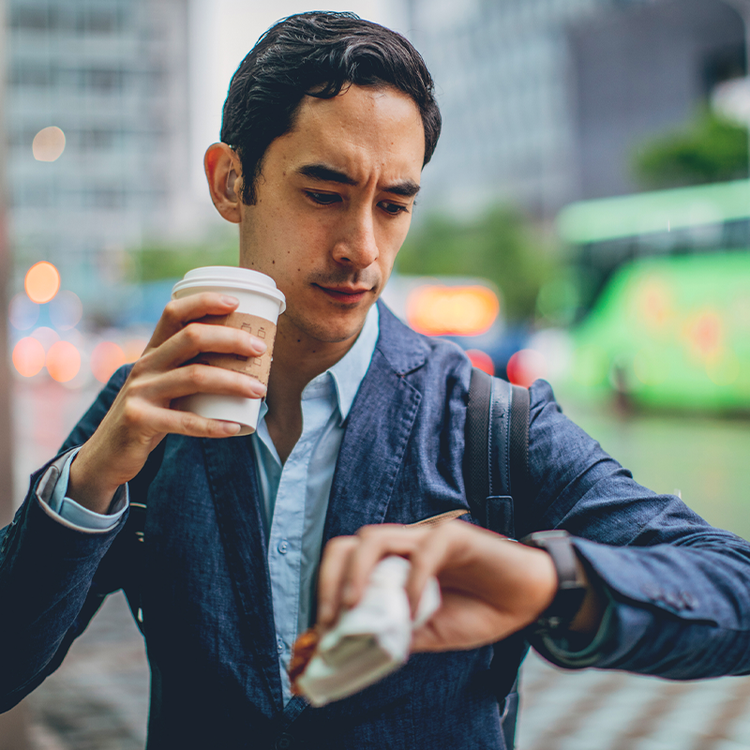
The grab-and-go customer has changed. They are snacking more frequently, spending more selectively and expecting more from every food-to-go purchase. The three-meal structure that once defined foodservice planning is fragmenting into a series of smaller, more deliberate eating moments - the commute, the gap between meetings, the afternoon wind-down.
Across the UK, Ireland and Continental Europe, the operators responding to this shift are the ones pulling ahead. Those still ranging for a customer who no longer exists are finding it harder to justify the middle ground.
This article covers six of the most significant trends shaping grab & go into 2027, drawn from Avendra International Europe's Grab & Go Guide: Trends & Insights 2026–2027, developed by Head of Culinary Paul Bloxham and the Avendra culinary, marketing and supply chain teams.
1. Snacking is replacing traditional meal occasions
The rise of snacking is not a consumer quirk - it is a structural shift in how people eat.
60% of consumers across key global markets now snack at least once a day, and with 50% occasionally replacing meals with snacks entirely, the traditional three-meal structure is breaking down (State of Snacking Report 2026).
The drivers are well established: hybrid working has decoupled eating from fixed locations and times, 'little treat culture' has replaced the ritual of sitting down for lunch, and the gap between breakfast and dinner is filling with smaller, more frequent purchases across the day.
For operators, the implication is straightforward. Ranges built around breakfast and lunch as distinct dayparts are increasingly at odds with how customers actually eat. Handheld formats, chilled ready-to-eat options and ambient snacks that work across morning, midday and afternoon are becoming essential rather than supplementary.
Operator insight: Building for moments, not meals, is one of the guide's central recommendations. The commute, the mid-morning energy dip and the afternoon reset are all distinct purchasing occasions - each with its own format and flavour expectations.
2. Protein has become a mainstream purchase driver
Protein's move from gym supplement to everyday menu feature is one of the more significant shifts in consumer nutrition behaviour in recent years. Shifting dietary guidelines, the growing mainstream adoption of GLP-1 medications and a broader demand for convenient, functional nutrition have combined to make protein a genuine point-of-purchase decision for a much wider audience than before.
The global protein snacks market is on a significant growth trajectory, and across UK and European markets, high-protein bakery, fortified dairy and protein-forward food-to-go formats are becoming mainstream rather than specialist.
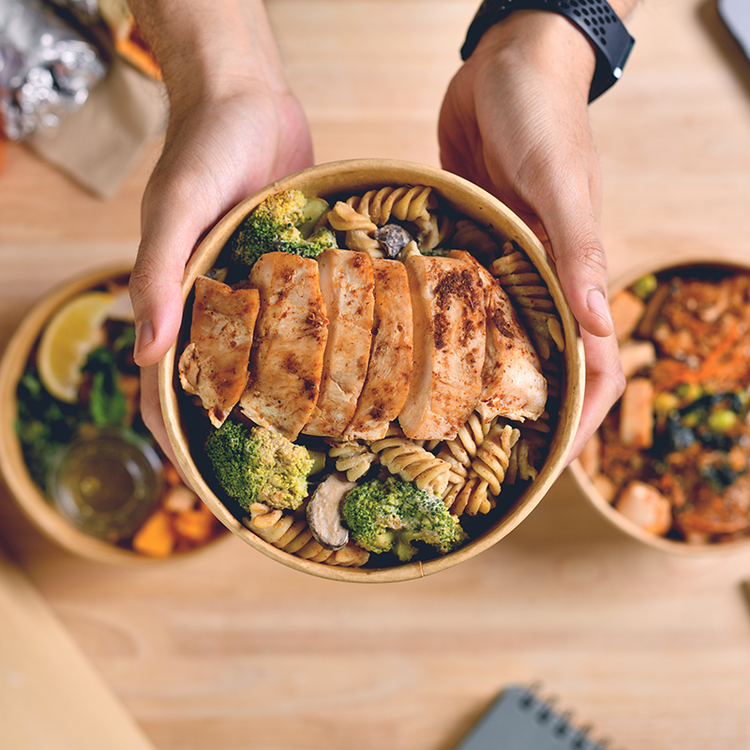
The opportunity for operators is not simply to add high-protein items to a menu - it is to make protein visible and easy to identify at the point of purchase. Customers making protein-conscious choices are often doing so quickly, and clear labelling, gram counts on packaging and prominent positioning all reduce friction in that decision.
Operator insight: The guide's protein pivot section explores how operators can build bowl and pot formats with clear nutritional signposting, and why accessible price points matter as much as the protein credentials themselves.
3. Global flavours are becoming everyday menu staples
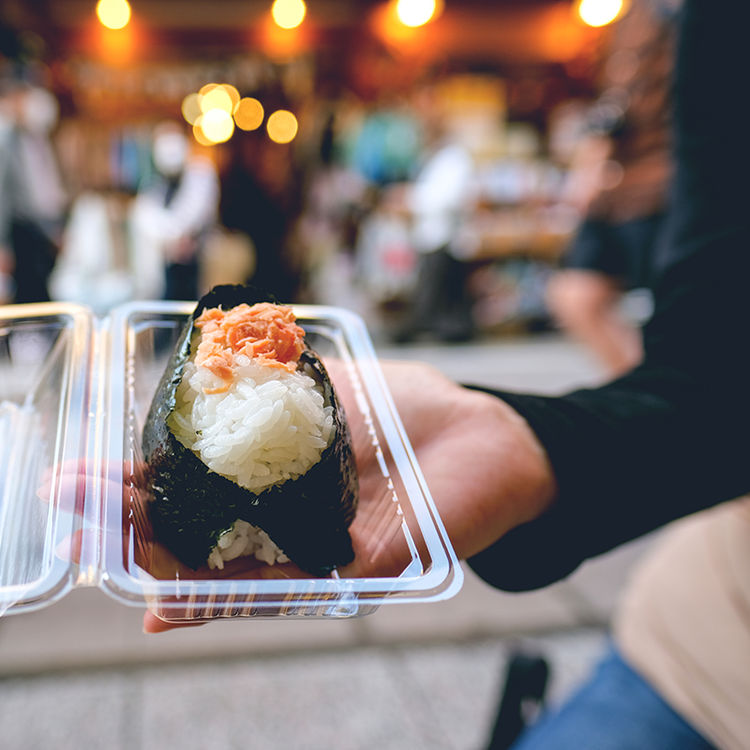
The most successful grab-and-go formats of the past decade have almost all followed the same path: they start on the street, grow through communities, reach independent operators and eventually become high-street staples. Bao buns, bánh mì, birria tacos and onigiri are at different stages of that journey right now.
What is different in 2026 is the speed of that transition. Social media has compressed the cycle from niche to mainstream, and a format that goes viral in one city reaches menus across Europe within months. Korean-Mexican fusion, Japanese convenience-store formats and West African cuisine - Nigerian, Eritrean, Ethiopian, Somali - are all seeing growing mainstream interest.
The opportunity for operators is not to chase every emerging format, but to use familiar structures like wraps, bowls, and sandwiches as a canvas for new flavour combinations. Specificity outperforms vague fusion; a gochujang-braised mushroom taco bowl is a clearer proposition than a 'globally inspired wrap.'
Operator insight: The guide recommends focusing on fewer cuisines and exploring them in depth, rather than spreading flavour innovation too thinly. Lead with flavour first, origin second.
4. Sauces and condiments are the fastest lever for differentiation
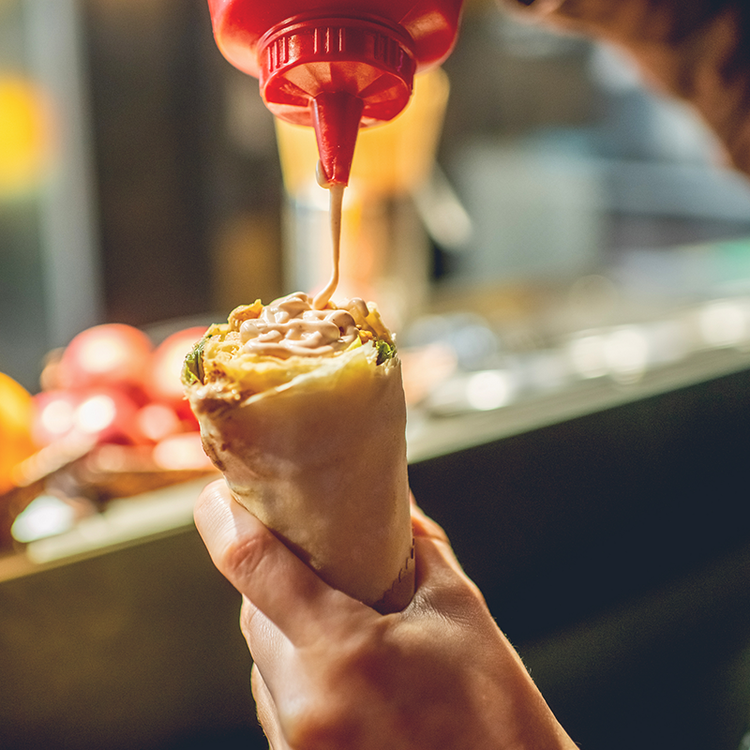
Flavour innovation in grab-and-go is increasingly happening in the sauce bottle rather than the main ingredient. Sauces, seasonings and condiments have become one of the most cost-effective ways to create genuine differentiation, refreshing familiar formats without requiring a full range overhaul.
Sweet-heat combinations like chilli-lime and gochujang are among the most requested protein seasonings in 2026. Globally inspired options including peri-peri, suya spice and birria-style dipping sauces are moving from specialist to mainstream. And premium spreads like umami-forward mushroom butters, probiotic kefir butter, black garlic and sour cream ranch are elevating even the most familiar formats.
The broader principle here is that execution beats concept. A well-constructed sauce can turn a standard sandwich into a standout product without changing anything else on the menu. For operators managing cost pressure, this is one of the more accessible routes to perceived premiumisation.
Operator insight: One of the guide's sections explores how operators can use condiment innovation across different formats, from sandwiches and bowls to snacks and breakfast occasions.
5. Functional drinks are filling the space left by alcohol
The drinks fixture is one of the most underleveraged opportunities in grab & go. While food ranging has evolved significantly, many operators are still offering a beverage selection that lags behind changing consumer expectations.
Moderation is now mainstream. Dry January 2026 was the biggest on record in the UK, but the shift away from alcohol is not confined to January — it reflects a broader, sustained change in how consumers approach drink occasions. Alcohol-free and lower-alcohol options have moved from compromise choices to first choices for a growing share of the market.
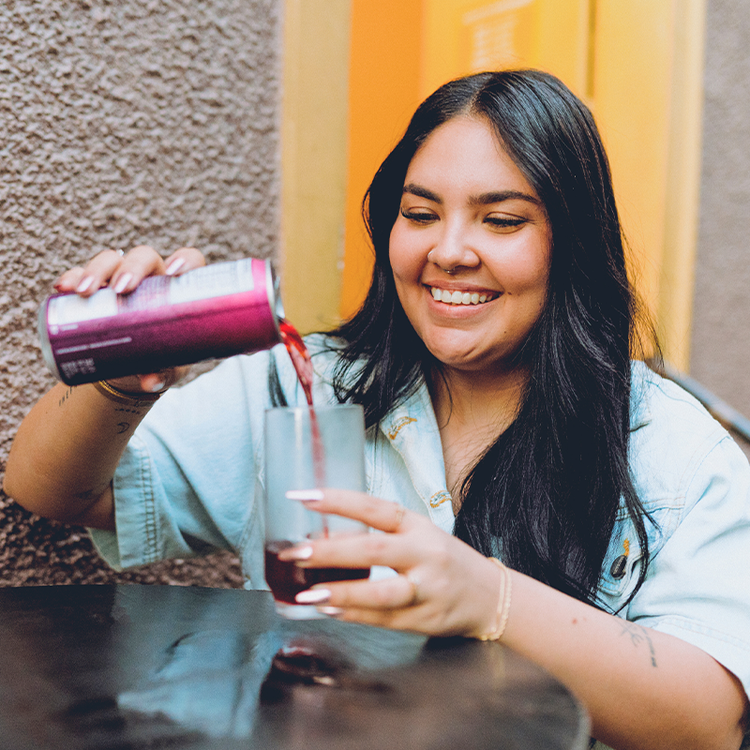
Alongside moderation, functional drinks - adaptogens, nootropics, calming blends, protein and collagen additions to coffee - are stepping into roles that alcohol once played, from daytime stress management to evening wind-down.
Hojicha, a roasted Japanese tea with lower caffeine than matcha, has seen significant growth in search interest, and formats like hojicha lattes and matcha-coconut adaptogen tonics are moving beyond specialist cafés into mainstream menus.
Operator insight: The guide recommends naming what is in the drink - gochujang ginger beer, tepache pineapple spritz - rather than leading with what it lacks. Premium presentation turns an alcohol-free option into a desirable choice.
6. Frictionless purchasing is becoming an expectation
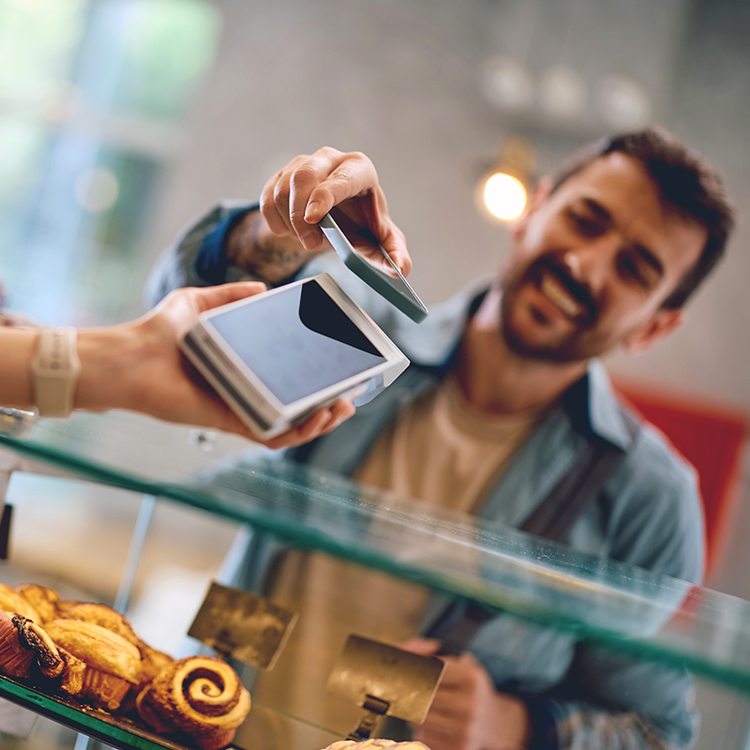
Convenience in grab-and-go used to mean speed of service. It now means removing every barrier between a customer's decision and their purchase. Cashless payment, self-service formats, unattended retail and pre-ordering have moved from differentiators to baseline expectations, particularly in travel hubs, workplace environments and healthcare settings.
The commercial implication is that product presentation and ranging decisions matter more in frictionless environments than in assisted ones. When there is no staff member to recommend or upsell, products need to communicate their value instantly - through clear labelling, strong visual appeal and positioning at the right price point.
Operators that have invested in removing friction from the buying journey are consistently reporting stronger impulse purchase rates and higher average spend. The barrier is rarely the product, it is the path to it.
Operator insight: The guide's commerce and convenience section explores how operators can build grab & go ranges specifically for impulse and self-service environments, including guidance on product positioning and price architecture.
Why these grab-and-go trends matter beyond the menu
The six trends above are not isolated menu observations, they have direct implications for margins, customer loyalty, procurement decisions and operational efficiency.
Margins
Condiment-led differentiation and snackable formats typically carry stronger margins than full meal occasions. Operators that build premium snack lines alongside hot food can capture spend across more dayparts without significantly increasing operational complexity.
Customer loyalty
Consumers who find a grab-and-go range that consistently delivers on flavour, convenience and nutrition are more likely to return. The data on limited-time offers is particularly relevant here, where customers are significantly more likely to try something new when it is framed as a twist on a familiar favourite, which lowers the risk of ranging decisions that don't land.
Procurement and supply chain
Trends like the protein pivot and the growth of functional ingredients have supply chain implications. Operators that work closely with procurement partners to identify emerging ingredients early, before they become mainstream and pricing increases, are better placed to build differentiated ranges at sustainable cost.
Operational efficiency
Formats that work across multiple dayparts, like a grain bowl that serves breakfast, lunch and an afternoon snack occasion, reduce ranging complexity and stock holding. The move toward all-day menus built around portable, handheld formats is as much an operational decision as a culinary one.
Download the complete Grab & Go Guide 2026–2027
The trends above are a selection of the insights featured in Avendra International Europe's Grab & Go Guide: Trends & Insights 2026–2027.
The full guide covers all twelve trends, including the rise of micro-moments, the new lunch standard, comfort food upgrades, plant-based evolution and the intentional appetite shaped by GLP-1 medications.
Each trend includes chef-developed recipes from Head of Culinary Paul Bloxham, practical 'try this' guidance and market insight from Lumina Intelligence, Mordor Intelligence, Innova Market Insights and Euromonitor.
This article draws on Grab & Go Trends & Insights 2026–2027, authored by Paul Bloxham, Head of Culinary at Avendra International Europe.
Paul has held senior culinary roles at Goldman Sachs, JP Morgan and Aramark. An Academician of the Royal Academy of Culinary Arts and passionate advocate for mentoring the next generation of chefs, he combines chef-led creativity with practical, data-driven insight.
Working with hospitality, healthcare and education operators across Europe, Paul helps organisations develop commercially successful menus informed by procurement expertise, market intelligence and culinary innovation. Sustainability remains central to his work, helping foodservice teams reduce waste, improve efficiency and create menus that are commercially successful and environmentally responsible.
FAQs
What are the biggest grab-and-go trends for hospitality in 2026?
Grab-and-go is evolving beyond convenience. The biggest trends include increased snacking, stronger demand for protein-rich options, globally inspired flavours, functional drinks, premium lunch occasions and frictionless purchasing. Together, these shifts are changing how hospitality and foodservice operators develop menus and design food-to-go offers.
Why is protein becoming more important in grab-and-go?
Protein has become a mainstream purchase driver as more consumers look for meals and snacks that are filling, convenient and support their wellbeing goals. Demand is being influenced by changing dietary habits, the growth of GLP-1 medications and greater awareness of nutrition, creating opportunities for operators to develop clearly signposted protein-led menu options.
How are global flavours influencing food-to-go menus?
Consumers are increasingly looking for familiar formats with more adventurous flavours. Rather than completely new concepts, operators are introducing globally inspired ingredients, seasonings and sauces into wraps, bowls, sandwiches and snacks. Korean, Japanese and West African flavours are among those gaining wider appeal across European foodservice.
What makes a successful grab-and-go menu?
Successful grab-and-go menus combine convenience with quality. Portable formats, clear product labelling, visible protein, premium ingredients, distinctive flavour combinations and efficient purchasing journeys all contribute to a stronger customer experience. Menus that work across multiple dayparts can also improve operational efficiency and maximise sales opportunities.
Why are functional drinks becoming more popular?
Consumers are looking for beverages that offer more than refreshment. Functional drinks featuring ingredients such as adaptogens, protein, collagen and lower-caffeine teas are growing in popularity as people seek drinks that support energy, focus or relaxation. For foodservise and catering operators, these products present an opportunity to refresh beverage ranges and increase average transaction values.