Zero-waste kitchen guide for hospitality: reduce food waste
Key Takeaways
UK hospitality wastes more than £3 billion of food annually, making food waste a direct cost-control and sustainability issue for commercial kitchens.
Freezing leftovers, repurposing stale bread, pickling surplus vegetables and using skins, stems and overripe produce can reduce avoidable kitchen waste.
Aquafaba, vegetable trimmings and surplus ingredients can be treated as usable ingredients rather than waste, supporting more resource-efficient menu planning.
Avendra International supports foodservice organisations with sustainable procurement solutions and Pi Food Waste Monitoring Tools that help track and minimise food waste.
As Head of Culinary – Europe, Paul Bloxham champions a smarter approach to reducing food waste in kitchens.
Here, he highlights the true cost of waste and shares simple, practical tips to help every chef turn scraps into something special.
The true cost of food waste in hospitality kitchens
In kitchens everywhere, whether at home or in professional restaurants, the amount of food waste is staggering. Recent research from WRAP (Waste and Resources Action Programme) and the ‘Guardians of Grub’ campaign highlights that over £3 billion worth of food is wasted annually across the UK hospitality sector (WRAP, 2023).
And at home, we’re no better. In the UK alone, 60% of all food waste occurs in domestic kitchens, with around 4.7 million tonnes of edible food discarded every year (WRAP, Household Food Waste 2021).
Globally, agriculture uses approximately 70% of freshwater resources, yet millions of tonnes of food go uneaten (UN FAO, 2021).
The problem isn’t just about wasted ingredients; it’s about wasted energy, water, money, and resources. From overripe bananas to surplus bread, every unnecessary discard contributes to a costly cycle that hits households, businesses, and the planet hard.
But the good news? Every kitchen has the power to change this. And it starts with rethinking what we consider “waste.”
6 practical zero-waste kitchen tips for hospitality chefs
Transforming scraps into something delicious doesn’t need to be complicated. Here are practical ways to waste less and save more:
1. Freeze First, Think Later
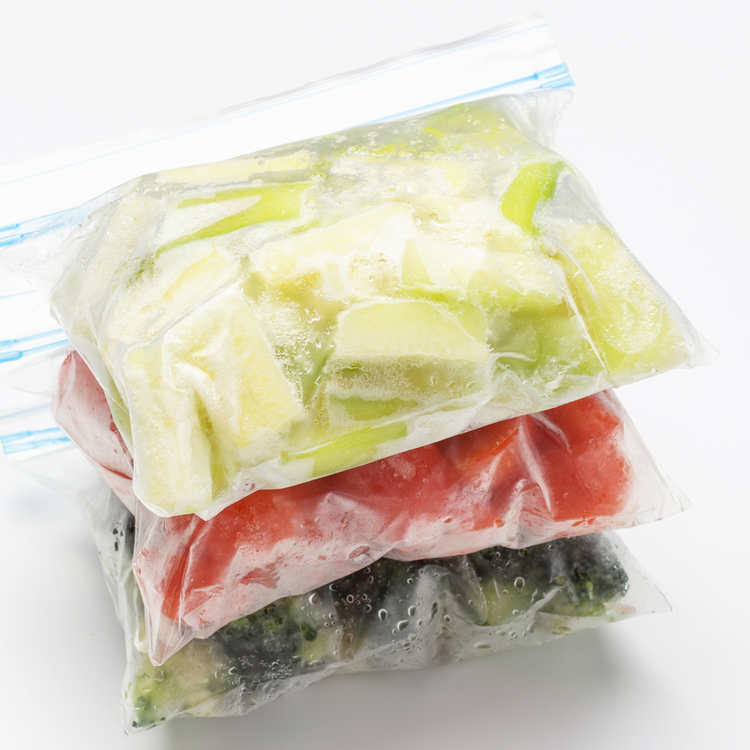
Unsure what to do with leftovers? Freeze them. Bread, fruit peels, veg offcuts - freezing gives you time to plan and experiment without rushing.
2. Bread Should Never Be Binned
Stale bread? Perfect. Blitz into breadcrumbs, toast into crostini, cube into croutons, or even blend into dips like bread hummus. If nothing else, freeze slices for quick toasting later.
3. Master the Art of Pickling and Preserving
Pickling isn't just trendy - it’s practical. Make quick pickles with spare veggies, ferment scraps into kimchi, or blend wilting greens and herb stems into vibrant pestos.
4. Discover Aquafaba Magic
That liquid from canned chickpeas? It’s aquafaba, and it works wonders as an egg substitute in baking, especially meringues or creamy sauces. Waste-free and plant-friendly.
5. Treat Skins and Stems Like Ingredients
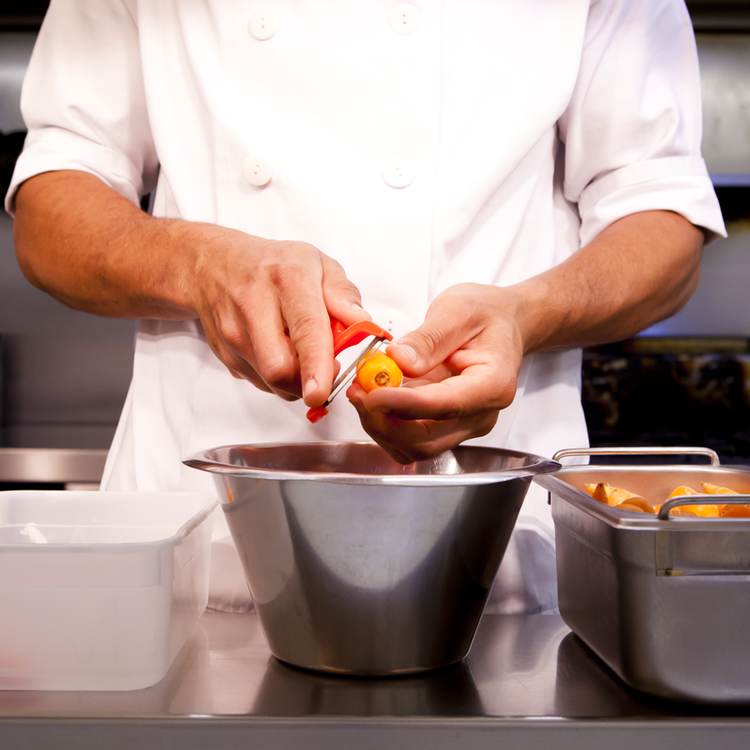
Broccoli stalks, carrot tops, and beetroot skins aren’t waste - they’re opportunities. Use them in stocks, soups, chutneys, or even as a base for purees.
6. Rethink “Gone Off”
Brown bananas, soft tomatoes and wilted herbs are the stars of waste-conscious cooking. Think banana peel relishes, tomato sauces, and herb purees.
The future of food waste reduction in hospitality
The food industry is undergoing a major shift, driven by consumer demand for sustainability and healthier choices. By 2026, expect to see waste-conscious cooking becoming a norm, not a niche. From breweries turning surplus bread into craft beers to chefs using banana skins in pasta sauces, creativity is leading the way.
Every ingredient saved, every recipe reimagined, and every crumb counted contributes to a less wasteful, more sustainable future.
So, next time you're in the kitchen, pause before you toss. Less waste, big flavours, better habits. After all, every leftover deserves a second chance.
Reduce food waste with sustainable procurement support
Get in touch with us at news_Europe@avendra.com. In the meantime, explore our creative, waste-conscious recipes that turn leftovers into delicious meals.
Nearly gone-offie loaf cake
Serves 16 slices
Ingredients:
5 over ripe bananas, mashed
100ml Coconut Oil
150g unrefined sugar
2 eggs
10ml vanilla extract
Zest of one Lemon
250g gluten free flour, doves farm self-raising
100g gluten free oats
10g baking powder
Pinch of salt
150mls Greek yogurt
50ml runny honey
1 apple grated
100g chocolate pistolles
Method:
Simply mix all of the ingredients together into a batter. Line a loaf or cake tin with parchment paper. Pour into the cake tin and bake for 45 mins at 175C. Drizzle with Honey to serve and glaze
Yesterdays croissant with crushed avocado, eggs & kimchi ketchup
Ingredients:
1 croissants, 1 day old
Half ripe Haas avocado
5mls lime juice
2g red pepper flakes or to taste
2 free range eggs
10 mls vinegar for poaching eggs
30 mls Kimchi Ketchup (homemade recipe below)
salt and pepper to taste
Coriander, pea shoots and rocket leaves optional
50g Manchego Cheese, optional
Method:
Press and toast croissant in a sandwich press on a grill with a flatiron. Remove avocado flesh from the avocado and crush with the chilli flacks, lime juice and salt and pepper. Poach eggs in salted vinegar water to desired doneness. To serve top the croissant with the smashed avocado then the poaches eggs followed by the kimchi ketchup and rocket, pea-shoots coriander if using. Finish with grated Manchego cheese for added finesse.
Kimchi ketchup
Ingredients:
1 (500g) Chinese napa cabbage / cabbage Broccoli Stalks or greens
30g good quality salt
6 cloves of garlic
2 tsp of grated ginger
2 tsp of sugar
2 tbsp of fish sauce (optional)
Red pepper flakes or chilli sauce
4 diced spring onions
Grated carrot and radishes, to your taste
Method:
Chop the cabbage, garlic and spring onions, grate the carrot and place in a bowl. Massage in the salt and leave in the fridge for 1 hour.
Rinse the vegetables and pat dry with a clean cloth.
Mix the sugar, fish sauce, chilli sauce and ginger together and massage into the vegetable mix. Pack into a Kilner jar and leave at room temp to ferment for 4 days.
After 4 days pop into the fridge before using.
To make the kimchi ketchup, blend the kimchi vegetables with 200 mls of tomato ketchup and 5 mls of sesame oil until smooth and silky.
Bottle and reserve in the fridge for up to 3 days.
FAQs
How can hospitality businesses reduce food waste in commercial kitchens?
Hospitality businesses can reduce food waste by improving purchasing and stock control, monitoring what is being wasted, and finding practical ways to use surplus ingredients. Avendra International supports hospitality organisations with procurement expertise and solutions that can help improve purchasing visibility, cost control and operational efficiency.
What can commercial kitchens do with surplus ingredients instead of throwing them away?
Commercial kitchens can freeze suitable leftovers, turn stale bread into breadcrumbs or croutons, pickle or ferment spare vegetables, and use skins, stems and overripe produce in stocks, sauces, purées and other dishes. These practical approaches can help kitchens make better use of ingredients and reduce avoidable food waste.
How can better procurement help reduce food waste in hospitality?
Better procurement can help hospitality teams align purchasing more closely with operational needs, improve visibility over spend and stock, and make more informed buying decisions. Avendra International provides pre-negotiated supplier contracts and bespoke procurement solutions to support organisations with cost control, supplier management and more efficient procurement.
Can an eProcurement system help hospitality businesses manage food waste?
Yes. Avendra Pi brings purchasing, inventory and operational data together in a cloud-based platform. Its catering and operations capabilities include stock control and waste management, helping teams improve visibility and support more informed purchasing and inventory decisions.
How can Avendra International support more sustainable food procurement?
Avendra International supports hospitality organisations with procurement and supply chain solutions designed to improve efficiency, visibility and value. Depending on business needs, organisations can access pre-negotiated supplier contracts or bespoke procurement solutions, alongside sustainability-focused procurement support.