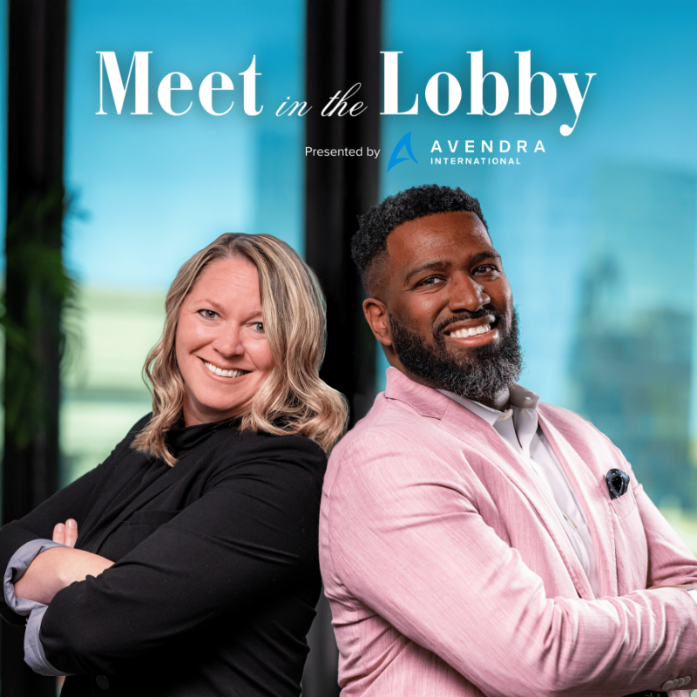
How Hotels Can Cut Costs and Elevate Guest Experience: Wellness, AI, and Wild Lobby Stories on “Meet in the Lobby”
Key Takeaways for Hotel Operators
- Renegotiate high‑ticket contracts: Elevator, laundry, and landscaping agreements often auto‑renew unnoticed—representing major cost‑saving opportunities.
- Use AI to empower—not replace—teams: Predictive maintenance and guest‑preference insights improve efficiency without reducing human connection.
- Tailor tech by hotel segment: Luxury and select‑service properties require different digital strategies to maintain service quality and flow.
In this special listener‑driven episode of “Meet in the Lobby,” hosts Dorien Murphy and Melissa McCormack answer your biggest questions—from managing tight margins to navigating the role of AI—plus a few unbelievable stories from life on (and off) the property floor. Real operators, real insights, and practical guidance you can use today.
As the industry continues to face cost pressures and shifting guest expectations, one question rose to the top:
How can hotels improve profitability without compromising service?
Murphy and McCormack point to a core truth: Operational discipline and smart technology now drive the guest experience as much as traditional service philosophy.
Contract Strategy Is Still One of the Biggest Profit Levers
Hotels often overlook—or avoid—their largest property‑level expenses. But renegotiating these contracts can have an enormous impact without touching the guest experience.
“Elevator service, landscaping, laundry—these aren’t small line items,” Murphy explained.
“A hotel can easily spend hundreds of thousands annually across these categories. If you can shave even 20% off that, you’re unlocking six‑figure savings the guest will never feel.”
McCormack noted how often hotels allow agreements to auto‑renew at higher rates:
“That’s one of the most common operational pitfalls. Reviewing PLAs proactively is one of the simplest ways to protect property profitability.”
Why it matters: Cost discipline should begin with the high‑spend back‑of‑house categories that don’t impact service quality.
Aggregate Purchasing Unlocks Best‑in‑Class Pricing
Leveraging aggregated spend continues to be one of the most effective ways for hotels to reduce operational cost.
“At Avendra, our negotiated rates allow clients to pay as much as 40% less than the hotel down the street buying the exact same item,” McCormack said. “That value is real—and it doesn’t cost the property anything to join.”
Murphy agreed and highlighted the strategic benefit:
“It’s not about being salesy. It’s about facts. Aggregate spend gives hotels pricing power they wouldn’t have on their own.”
Why it matters: Partnering with a procurement expert protects margins while maintaining quality—and avoids operators leaving money on the table.
AI Should Strengthen Hospitality, Not Automate It Away
The rise of AI has hotels asking the same question: What should we automate—and what should we leave human?
Murphy emphasized two high‑impact uses:
- Predictive maintenance for HVAC, elevators, and plumbing
- Guest insight tools that help teams anticipate preferences
“These solutions free staff to do what they do best—deliver exceptional service,” he said.
McCormack highlighted opportunities across segments:
- Select‑service: Mobile key and streamlined check‑in reduce friction.
- Luxury: AI‑powered, concierge‑supported itineraries enhance personalization without reducing staff touchpoints.
“The goal is not laziness,” she said. “It’s intentionality. AI should give guests more of what they want—and give teams more time to deliver it.”
Why it matters: Thoughtful AI implementation boosts efficiency, prevents costly repairs, and enhances personalization across all segments.
The Stories Every Operator Lives For
Of course, no hospitality conversation is complete without the unforgettable.
Murphy shared a moment from a Montana property where a full‑sized moose wandered through an open‑air lobby—past fire pits, diners, and the front desk—with zero reaction from the locals.
“I’m from the city,” he joked. “Everyone else acted like it was normal. I’m the only one staring like…did anyone just see that?”
McCormack shared her own high‑stakes story from a celebrity‑heavy property, where fans tried everything to get a glimpse:
- Scaling the side of the building
- Sneaking in via laundry carts
- Wearing imitation staff uniforms
- Hiking a mountain behind the hotel to photograph common areas
“The lengths people go to see another human being are unbelievable,” she said. “And yet our teams handled it with professionalism every time.”
Why it matters: Hospitality will always be unpredictable—and that’s why the industry’s service culture matters as much as ever.
Ready to dive into the fascinating world of hospitality through the lens of experts who've lived it? Tune in to “Meet in the Lobby,” subscribe for future episodes, and engage in conversation over on our LinkedIn.
Check out “Meet in the Lobby” on YouTube, Spotify, and Apple Podcasts.
We get it, and we can help.
HOW HOTELS CAN SAVE MONEY AND IMPROVE GUEST EXPERIENCE WITH AI & WELLNESS
FAQs