Why “Beautiful Friction” Is Shaping the Future of Hospitality Leadership | “Meet in the Lobby” from Avendra International
Key Takeaways for Hospitality Operators
- Sustainable hospitality leadership starts with people, culture, and clearly defined values.
- The ability to step out of daily operations depends on building aligned teams and intentional systems.
- Today’s workforce is driving positive change—what Christin Marvin calls “beautiful friction.”
- Hotel restaurants must adopt an independent, destination-first mindset to remain competitive.
- Celebrating wins and investing in employee experience are critical to long-term retention and growth.
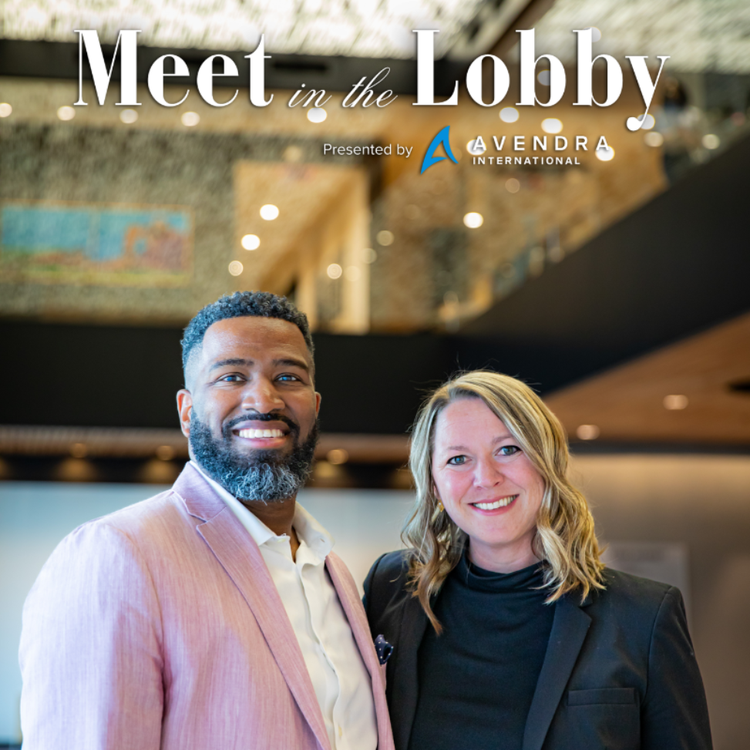
In this episode of Meet in the Lobby, hosts Dorien Murphy and Melissa McCormack sit down with Christin Marvin, Founder of Columbine Hospitality, author of “Multi-Unit Mastery: How to Simplify Operations, Maximize Profits and Lead with Confidence,” and board member of CHOW, to explore what leadership looks like in the rapidly evolving hospitality industry.
Drawing on experience across 50 locations and 13 restaurant openings, Marvin offers a practical and candid perspective on how operators can move beyond constant firefighting—and instead build scalable, sustainable businesses.
At the center of the conversation is a defining shift:
Hospitality leadership today is about building systems, empowering people, and embracing change—not just managing daily operations.
The Framework: From Firefighting to Scalable Leadership
For many operators, the biggest challenge is stepping away from the day-to-day demands of the business.
Too often, leaders feel they must be physically present to keep operations running—trapped in a cycle of solving “four-alarm” problems instead of planning for growth.
Marvin believes the solution is rooted in clarity and intention.
“It all starts with the right people.”
Rather than jumping straight into technology or process improvements, she emphasizes building a strong cultural foundation first:
- Define core values
- Translate those values into observable behaviors
- Hire and develop team members who align
“Once you have identified exactly what type of leader you’re looking for and what type of hourly person you want in your business, then you know how to find that target audience.”
Why it matters:
Without alignment at the people level, systems won’t stick. But when culture and expectations are clear, leaders can confidently step back—knowing their teams can execute without constant oversight.
Designing Teams That Allow Leaders to Step Back
A common reality in hospitality: when the team isn’t strong enough, leaders get pulled back into hourly roles—working the line, covering shifts, and reacting instead of leading.
The goal, Marvin explains, is to create a structure that allows leaders to work on the business rather than in it.
That structure includes:
- Clearly defined roles and accountability
- Trust-based delegation
- Systems that reinforce consistency
Why it matters:
True growth happens when leaders create space for strategy, development, and innovation—rather than being consumed by daily operations.
The Workforce Shift—and the Rise of “Beautiful Friction”
Few forces have reshaped hospitality more than the post-pandemic labor shift. After millions left the industry, a new generation has stepped in—with different expectations and priorities.
Marvin captures this shift with a powerful phrase:
“This new generation is challenging the industry to be better.”
“They’re challenging the culture, they’re challenging the work-life balance, they’re challenging the workload, and they’re setting boundaries.”
She refers to this dynamic as “beautiful friction.”
Rather than resisting it, leading organizations are embracing these changes—adapting policies, improving benefits, and rethinking workload expectations.
Why it matters:
Operators who evolve are seeing stronger engagement and retention. Those who cling to outdated models continue to face turnover.
The workforce isn’t broken—it’s evolving. And leadership must evolve with it.
The Destination Mindset: Elevating Hotel Restaurants
Another key theme: the opportunity for hotel restaurants to redefine themselves.
Too often, they’re seen as conveniences for guests rather than destinations in their own right.
Marvin challenges that mindset head-on.
“You can’t take that for granted. You have to continuously think… how do we be the best restaurant—not just in the hotel, but in the city?”
Her recommendation: operate with an independent mindset, even within a hotel setting.
This means:
- Competing directly with local restaurants
- Prioritizing culinary creativity and service excellence
- Treating the restaurant as a standalone brand
Why it matters:
Hotel restaurants already have built-in advantages—marketing, infrastructure, and guest traffic. When paired with a destination mindset, these advantages can become a powerful differentiator.
The Experience Inside the Four Walls
When it comes to driving demand, Marvin emphasizes one critical principle: it starts inside the operation.
Before marketing or promotion, the focus must be on:
- Quality of food and beverage
- Consistency of service
- Strength of the team
In other words, the guest experience within the “four walls” must deliver every time.
Why it matters:
Great marketing can attract guests—but only great execution brings them back and turns a restaurant into a true destination.
Investing in People—and Celebrating Progress
Amid discussions of systems, labor pressures, and operational complexity, Marvin highlights something often overlooked: celebration.
In an industry that moves fast and demands constant output, taking time to recognize growth and success can be transformative.
From developing emerging leaders to scaling multi-unit operations, these milestones matter.
Why it matters:
Celebrating wins strengthens culture, boosts morale, and reinforces the behaviors that drive long-term success.
What’s Next?
As hospitality continues to evolve, one thing is clear:
The future belongs to leaders who can build strong teams, design intentional systems, and embrace the “beautiful friction” shaping the workforce.
In the next episode, the conversation continues—diving deeper into burnout, sustainable leadership strategies, and what the future of hospitality leadership will demand.
Ready to explore the fascinating world of hospitality through the lens of experts who've lived it? Tune in to “Meet in the Lobby,” subscribe for future episodes, and engage in conversation over on our LinkedIn.
Check out “Meet in the Lobby” on YouTube, Spotify, and Apple Podcasts.
We get it, and we can help.
WHY “BEAUTIFUL FRICTION” IS SHAPING THE FUTURE OF LEADERSHIP | MEET IN THE LOBBY
FAQs