Foodservice inflation remains elevated: Food & beverage costs are projected to increase 3%–4% through the remainder of 2026 and 3%–4.5% into 2027, driven primarily by labor, operating, and commodity cost pressures.
Protein markets continue to drive cost increases: Beef remains the largest inflationary pressure due to tight cattle supplies, while imported seafood faces ongoing supply and freight challenges. Pork and poultry offer more cost-effective alternatives for menu planning.
Commodity trends are mixed: Cooking oils, eggs, and produce continue to face upward pricing pressure, while dairy, coffee, and baked goods are providing modest relief due to improved supply conditions.
Why it Matters Now
Hospitality operators face a complex mix of inflation, tariffs, shifting global supply, and seasonal demand. Avendra International’s sourcing experts translate these market signals into practical, time‑bound actions—so you can protect margins, preserve guest experience, and plan capital and operating budgets with confidence.
Inflation rose to 4.2% in June 2026 (based on May data), marking the third consecutive monthly increase, driven largely by higher energy costs.
Consumer confidence fell to a record-low sentiment score of 44.8, reflecting growing economic uncertainty and nearly a 20% year-over-year decline.
The labor market remains stable, with 172,000 jobs added in May 2026 and unemployment holding at 4.3%, while the Federal Reserve kept interest rates unchanged amid geopolitical and economic uncertainty.
Main Impacts
Overall confidence remains 13% below January 2026 and 19% below June 2025.
Leisure and Hospitality led job growth in May 2026 with 70,000 new jobs, including 48,000 positions added in food and beverage.
Inflation reached its highest level since April 2023 at 4.2%, increasing the likelihood that interest rates will remain steady or move higher as energy prices and labor market strength persist.
Agricultural Markets
What’s New
Disruptions in the Strait of Hormuz reduced fertilizer and natural gas availability, prompting farmers to shift acreage from corn and wheat to soybeans, which require less nitrogen fertilizer.
Higher fertilizer costs are increasing feed expenses for livestock producers, raising the cost of corn- and soybean-based feedstuffs.
U.S. protein supplies remain constrained as drought, high feed costs, and the spread of New World screwworm contributed to a 0.3% decline in the cattle herd versus 2025.
Main Impacts
Continued fertilizer shortages and elevated energy costs are increasing agricultural production, transportation, and livestock operating costs, putting upward pressure on food prices.
Beef prices are expected to continue rising due to persistent cattle supply constraints, with market expansion unlikely before 2028.
Farmers planted 3% fewer corn acres and 4% more soybean acres in 2026, while fertilizer costs, which account for nearly one-third of corn production expenses, continue to pressure profitability.
Energy & Transportation Market Outlook
What’s New
Brent crude oil prices fell 5% in mid-June 2026 after the U.S. and Iran reached an agreement to reopen the Strait of Hormuz, signaling potential oil market stabilization.
Tanker traffic through the Strait of Hormuz is gradually recovering, but mine-clearing efforts, insurance challenges, and ongoing negotiations are expected to slow a return to normal shipping volumes.
Energy inflation remains elevated, with the energy CPI up 23.5% year over year, driven primarily by sharp increases in gasoline and fuel oil prices.
Main Impacts
Global oil supply is projected to grow significantly faster than demand through early 2027, which could help reduce energy costs if geopolitical tensions continue to ease.
Goldman Sachs lowered its Q4 2026 Brent crude forecast from $90 to $80 per barrel, citing expectations for recovering Persian Gulf exports and improving oil market stability.
Alternative shipping routes are likely to remain in use while risks in the Strait of Hormuz persist, creating ongoing pressure on energy costs, supply chains, and inflation.
Food & Beverage Market Outlook
Pricing Expectations for the Remainder of 2026 and 2027
Food & beverage pricing is projected to increase 3%–4% in the short term and 3%–4.5% in the long term, relative to current prices.
Food-away-from-home inflation is expected to remain in the mid-3% range through the rest of 2026.
Inflation is forecast to moderate gradually in 2027 but remain above historical norms due to ongoing labor and operating cost pressures.
Protein Market Trends
Center of the Plate (COP) proteins continue to be the primary driver of foodservice inflation:
Beef prices are expected to rise further as historically low cattle supplies keep markets tight through 2027.
Poultry remains a relative value option despite elevated pricing and mixed market conditions.
Pork pricing is expected to remain flat to slightly lower, offering one of the few near-term areas of cost relief.
Seafood prices are increasing across categories including crab, scallops, seabass, and salmon due to supply constraints, import restrictions, and freight challenges, while shrimp remains relatively stable.
Commodity and Ingredient Outlook
Input costs remain mixed, with inflationary pressures concentrated in select categories:
Cooking oils, eggs, and produce are expected to see continued price increases due to geopolitical uncertainty, weather impacts, and higher production costs.
Dairy, coffee, and baked goods are providing modest deflationary relief due to more favorable supply conditions.
Long term, cooking oils, grains, and labor costs are expected to remain key contributors to foodservice inflation.
Key Market Considerations
Beef and imported seafood are expected to remain the largest cost drivers through 2027.
Pork, poultry, and select commodity categories may offer opportunities for value-focused menu planning and procurement strategies.
Ongoing supply constraints, geopolitical risks, and elevated operating costs are expected to keep food and beverage pricing above historical averages.
Rooms Operations Outlook
Textiles (Linens & Towels)
Pricing Expectations
Short Term: +1% to +3%
Long Term: +2% to +6%
Cotton market volatility continues to create upward pricing pressure across linen and terry categories. Increasing labor costs, higher operating expenses, and elevated ocean freight rates are also contributing to higher textile costs.
Looking ahead, ongoing cotton price fluctuations, labor inflation, sustainability investments, and global supply chain uncertainty are expected to support continued price increases through 2027.
Key Market Drivers
Rising cotton prices are increasing costs for sheeting, terry, and filled-goods programs.
Labor, freight, and operational expenses remain significant inflationary pressures across textile manufacturing.
Sustainability initiatives and geopolitical disruptions continue to create long-term supply chain uncertainty.
Amenities
Pricing Expectations
Short Term: 0% to +3%
Long Term: +3% to +5%
Amenity pricing is expected to remain relatively stable in the near term, although resin and fuel-related cost pressures could begin affecting prices later in 2026.
Over the longer term, manufacturers may implement price increases if elevated oil-related costs persist. Future pricing will depend largely on raw material markets and continued improvements in supply chain conditions.
Key Market Drivers
Palm oil costs have stabilized, helping support near-term pricing stability.
Higher resin and fuel costs may create moderate upward pressure beginning in late 2026.
Manufacturers currently absorbing increased input costs may seek price adjustments if market pressures continue.
Golf Operations Outlook
Golf Cars
Pricing Expectations
Short Term: No change
Long Term: +3%
Golf car pricing is expected to remain stable through the remainder of 2026, providing operators with a relatively predictable equipment cost outlook.
Key Market Drivers
No material pricing changes are anticipated through the end of 2026.
Supplier pricing negotiations are expected to influence 2027 costs.
Operators should plan for modest inflationary increases in next year's equipment budgets.
Golf Mowers
Pricing Expectations
Short Term: +3% to +4%
Long Term: No change
Major mower manufacturers are expected to implement price increases in November 2026, consistent with historical equipment cost trends.
Following these increases, no additional pricing changes are expected through July 2027.
Key Market Drivers
Higher steel, electronics, and component costs continue to impact manufacturing expenses.
Ongoing investments in equipment technology are contributing to price increases.
Labor and freight costs remain elevated and are supporting near-term inflation.
Turf Chemicals
Pricing Expectations
Short Term: +2% to +6%
Long Term: 0% to +3%
Turf chemical manufacturers continue to implement price increases across a broad range of products as operating costs rise.
Additional industry-wide increases are expected in early 2027, although long-term pricing growth is expected to be more moderate.
Key Market Drivers
Major suppliers, including BASF, Syngenta, and Envu, are increasing prices across most turf chemical categories.
Rising labor, raw material, freight, and manufacturing costs continue to pressure pricing.
Historical pricing patterns suggest additional, but more modest, increases in early 2027.
Capital Equipment Outlook
Pricing Expectations
Short Term: +3% to +8%
Long Term: +4% to +6%
Large foodservice equipment costs are expected to continue rising through the remainder of 2026 as manufacturers face ongoing pressure from steel and component costs, elevated freight expenses, installation costs, and labor inflation. While lead times have improved from recent highs, they remain longer than historical norms.
Looking ahead, manufacturers with domestic production capabilities, vertically integrated operations, and strong order visibility are better positioned to manage pricing and supply chain challenges. However, suppliers experiencing margin pressure or declining backlogs may pursue additional price increases or reduce discounting to maintain profitability.
Key Market Drivers
Higher costs for stainless steel, electronics, and other key components continue to drive equipment pricing upward.
Elevated labor, freight, and installation expenses are contributing to ongoing cost inflation.
Supply chain normalization is progressing, but lead times remain extended compared to historical averages.
Global sourcing challenges, tariffs, and evolving regulatory and energy-efficiency requirements, particularly in refrigeration equipment, continue to increase manufacturing costs.
Smallwares Market Outlook
Pricing Expectations
Short Term: +2% to +6%
Long Term: 0% to +5%
Smallwares pricing is expected to remain under moderate inflationary pressure through the remainder of 2026. Freight volatility, residual tariff impacts, and targeted supplier price increases continue to influence costs across the category.
Looking ahead to 2027, pricing is expected to rise modestly under a stable trade environment. Suppliers with diversified manufacturing networks and strong inventory positions are better positioned to manage costs and reduce disruption.
Key Market Drivers
Elevated freight costs and ongoing logistics challenges continue to impact pricing.
Raw material inflation and residual tariff effects are creating additional cost pressure.
Suppliers that delayed previous price increases may implement above-average adjustments to restore margins.
Diversified sourcing strategies are helping some manufacturers limit future increases.
Disposables Outlook
Pricing Expectations
Short Term: +3% to +10%
Long Term: +5%
Disposables remain one of the more inflationary categories due to ongoing volatility in energy and raw material markets. Global oil market constraints continue to impact production costs across a wide range of disposable products.
While some commodity markets may begin to stabilize later in 2026, pricing pressure is expected to continue into 2027.
Key Market Drivers
Higher oil and energy costs are increasing the price of key raw materials.
Global supply constraints and geopolitical uncertainty continue to impact commodity markets.
Feedstock costs remain elevated across many disposable product categories.
Manufacturers continue to face inflationary pressure throughout production and distribution networks.
Administrative & Office Supplies Outlook
Pricing Expectations
Short Term: No Change
Long Term: +6% to +8%
Administrative and office supply costs are expected to remain relatively stable through the remainder of 2026, providing a period of pricing consistency for buyers.
However, cost increases are expected in early 2027 as paper industry capacity reductions and higher transportation and energy costs move through the supply chain.
Key Market Drivers
Minimal pricing movement is expected through the end of 2026.
Mill closures in the paper industry are expected to tighten supply and increase paper costs.
Rising energy and freight expenses are expected to contribute to higher pricing in 2027.
Inflationary pressures across manufacturing and distribution networks continue to support future increases.
Maintenance, Repair & Operations (MRO) Categories Outlook
HVAC Units
Pricing Expectations
Short Term: +5% to +8%
Long Term: +3% to +6%
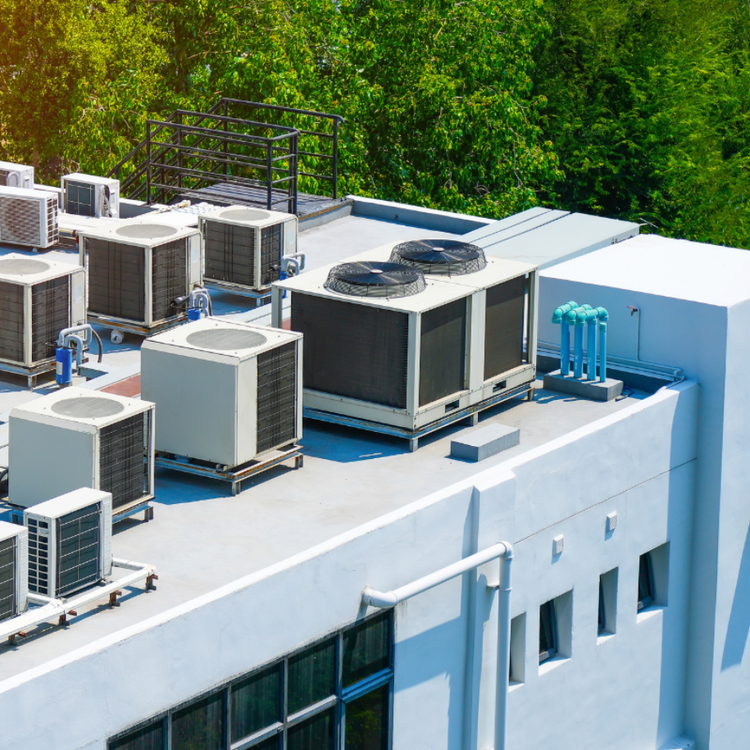
HVAC equipment pricing is expected to remain under pressure through the remainder of 2026 as manufacturers contend with ongoing tariff uncertainty and higher component costs. Continued tariffs on imported compressors, motors, steel, and aluminum are expected to contribute to near-term increases.
Looking ahead to 2027, manufacturers are expected to adapt to a more stable operating environment, resulting in more moderate pricing growth, although annual manufacturer price increases are likely to continue.
Key Market Drivers
Tariff uncertainty surrounding steel and aluminum continues to impact equipment costs.
Ongoing tariffs on compressors and motors are increasing manufacturing expenses.
Manufacturers typically implement annual price increases during the first quarter.
Supply chain stabilization is expected to moderate long-term inflation.
Refrigerant
Pricing Expectations
Short Term: +1% to +3%
Long Term: +1% to +3%
Refrigerant pricing is expected to remain relatively stable, although periodic fluctuations are likely given the category's sensitivity to regulatory and commodity market changes.
While modest increases are anticipated through 2026 and 2027, no significant market disruptions are expected at this time.
Key Market Drivers
Refrigerant prices remain closely tied to commodity market conditions.
Regulatory changes continue to influence supply, availability, and pricing.
Market volatility remains possible, but overall pricing is expected to remain relatively stable.
Electrical
Pricing Expectations
Short Term: +11% to +20%
Long Term: +8% to +15%
Electrical products are expected to experience some of the highest price increases across the MRO category. Strong demand from infrastructure and data center projects, combined with tariffs and rising commodity costs, continues to create significant pricing pressure.
Although manufacturing capacity is expected to improve over time, elevated demand and ongoing commodity inflation are likely to sustain above-average cost increases through 2027.
Key Market Drivers
Rising copper, steel, and aluminum prices continue to increase component costs.
Strong demand from data centers and other large-scale capital projects is extending lead times.
Tariffs continue to affect pricing across many electrical categories.
Manufacturing expansion may provide some long-term relief but is not expected to fully offset demand pressures.
Plumbing
Pricing Expectations
Short Term: +5% to +10%
Long Term: +3% to +8%
Plumbing costs are expected to rise through the remainder of 2026 as copper, PVC, and other material costs remain elevated. While some tariff relief has been introduced, supply chain and commodity-related pressures continue to impact pricing.
Long term, manufacturers are expected to implement further increases across finished plumbing products, with water heaters facing the greatest inflationary pressure due to steel, component, energy, and regulatory costs.
Key Market Drivers
Copper pipe and tubing prices remain susceptible to additional increases.
PVC and other petroleum-based plumbing products continue to face supply and cost pressures.
Finished plumbing products, including faucets, flush valves, and repair parts, are expected to see steady increases.
Water heaters are projected to experience the largest cost increases within the category.
Why Avendra International?
Our procurement specialists combine global sourcing power with local market insights to help you manage costs and maintain quality. From proteins to energy, we provide actionable intelligence and supplier relationships that keep your operations competitive.
Ready to optimize your procurement strategy for 2027? Contact Avendra International today to learn how we can help you navigate inflation, labor challenges, and commodity volatility.
What is driving foodservice inflation in 2026 and 2027?
Foodservice inflation is being driven by a combination of higher labor costs, operating expenses, protein supply constraints, commodity volatility, and ongoing geopolitical risks affecting global supply chains.
Which food categories are expected to see the largest price increases?
Beef and imported seafood are expected to remain the biggest cost drivers through 2027 due to limited supply, transportation challenges, and strong demand. Cooking oils, eggs, and produce are also expected to experience continued inflation.
Where can operators find opportunities to manage food costs?
Pork, poultry, shrimp, and select commodity categories currently offer better value than beef and premium seafood. Strategic menu planning and procurement decisions can help operators offset ongoing inflationary pressures.