F&B Trends 2026-2027 Shaping Hospitality Menus in North America
Key Takeaways for Hotel Operators
Redesign menus for changing appetites: Smaller portions, protein-forward dishes, and nutrient-dense options are increasingly important as GLP-1 medications and wellness priorities reshape how guests eat.
Elevate convenience without sacrificing quality: Invest in high-quality grab-and-go, AI-enabled operations, and flexible service formats to meet demand for speed, consistency, and reduced labor pressure.
Differentiate through craft, authenticity, and experience: From globally authentic cuisine to elevated bread, craft meats, and sophisticated low/no and functional drinks, delivering quality and storytelling is key to staying competitive.
From the growing influence of GLP-1 medications on consumer eating habits to the rise of functional drinks and demand for authentic global cuisine, hospitality and foodservice menus across North America are being pushed to evolve faster than ever.
Our complete F&B Trends Guide explores the 12 key trends shaping 2026–2027 — along with practical steps and chef-developed recipes to help operators improve margins, meet shifting consumer expectations, and stay competitive. Here’s a preview.
How Eating Behavior is Changing For Your Customers
The most significant shift in 2026 isn't what's on the plate, it's the relationship your customers have with mealtimes themselves.
Three trends are reshaping eating behavior in ways that directly affect how you plan menus.
Flexible dining, done with intent: Guests are choosing how and when they eat, favoring dynamic, globally inspired small plates that prioritize variety, personalization, and a curated sharing experience.
GLP-1 medications like Ozempic and Wegovy are changing appetite patterns at scale. Users typically eat smaller portions, prioritize protein and nutrient density, and are less drawn to ultra-processed or high-sugar options. The response isn't to restrict menus - it's to ensure every menu has something genuinely nourishing and pleasurable, alongside permissible indulgences.
Convenience is no longer a compromise. A global skills shortage has made ultra-convenient, high-quality food essential to any hybrid food strategy. AI-assisted planning, cooking technology, lobby micro-stores and next-generation vending are all reshaping what 'convenience' means.
Drinks trends reshaping hospitality menus in 2026
What's in the glass now matters as much as what's on the plate. Three distinct trends are converging to reshape what customers order and their evolving expectations.
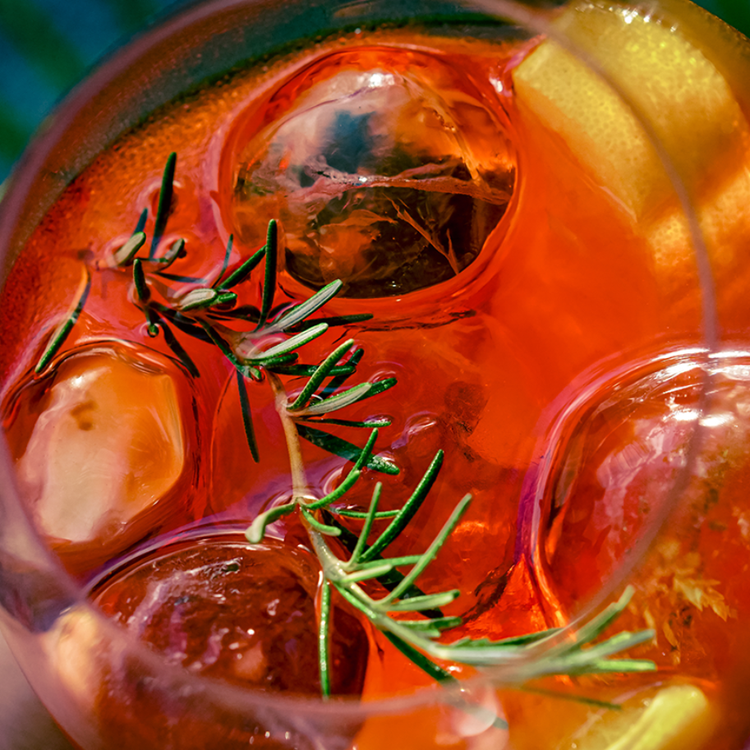
Moderation has entered the mainstream. Many consumers are actively moderating their alcohol consumption, and younger customers are leading this shift. The expectation has moved on from soft drinks to non-alcoholic options crafted with the same care and sophistication as their alcoholic counterparts. No/low is no longer an add-on: it's the foundation of a modern drinks menu.
Functional drinks are moving from wellness shelves to bar menus. Customers increasingly want drinks that do something - promote relaxation, sharpen focus or lift mood - without sacrificing flavor.
The culinary cocktail has become the baseline expectation. Savory profiles, fermented bases, house-made cordials and kombuchas are now standard tools for any serious drinks program. Hyperlocal botanicals, shrubs and seasonal infusions give drinks a sense of place and story, just as wine does.
Ingredient-led menu trends driving differentiation
Customers aren't always chasing the new - sometimes they want the familiar, done brilliantly. The operators winning right now are those who are going deeper into ingredients and craft.
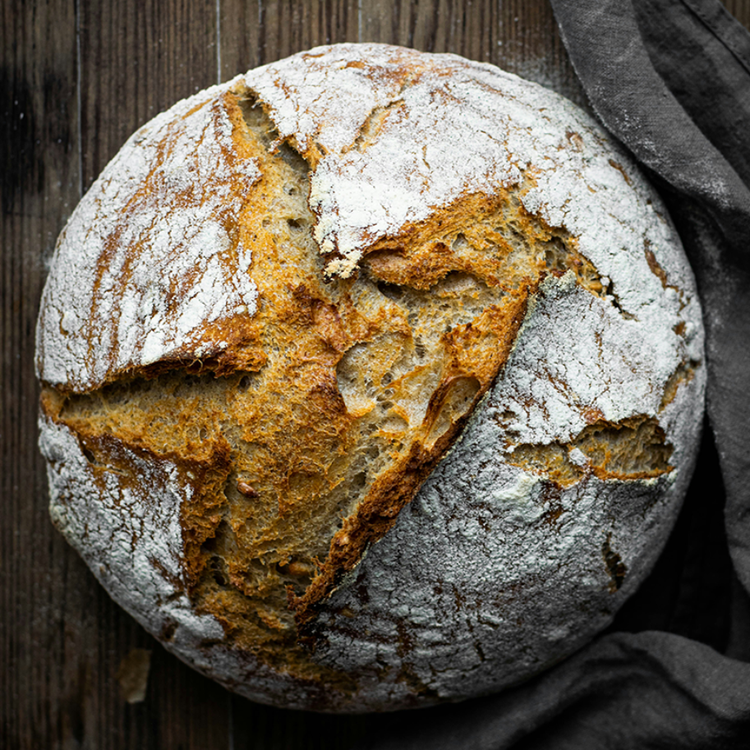
Bread is reclaiming the spotlight: From global “hero breads” to clean-label loaves, operators are elevating bread with craft, creativity, and high-quality gluten-free options that must rival traditional offerings.
Craft meat is back in focus: Diners are embracing quality cuts of all kinds — from premium to lesser-known — with a growing emphasis on provenance, traditional techniques, and bold applications like beef tallow that add depth and flavor.
Authenticity matters more than ever: Diners expect global cuisines to be done right — with true ingredients, traditional techniques, and meaningful cultural storytelling, rather than shortcuts or surface-level interpretations.
How to translate these trends into your operation
Understanding what's driving F&B trends in 2026 is only useful if it changes how you plan, source and serve. The good news is that most of these shifts don't require significant investment. Instead, they require a different way of thinking about your existing menu, your supplier relationships and your kitchen workflow.
The F&B Trends and Insights Guide 2026–2027 covers 12 current trends in detail, with chef-developed recipes and practical 'try this' guidance for every trend.
F&B TRENDS 2026-2027 SHAPING HOSPITALITY MENUS IN NORTH AMERICA
FAQs
How should hotel menus adapt to changing guest eating habits?
Focus on flexibility and balance — offer smaller portions, protein-forward dishes, and nutrient-dense options alongside indulgent choices to meet evolving wellness-driven behaviors.
What role does convenience play in modern hotel F&B?
Convenience is now a core expectation, not an add-on — successful operators deliver high-quality grab-and-go, streamlined service models, and tech-enabled solutions without compromising experience.
Where can hotels differentiate their F&B offering most effectively?
Stand out through authenticity, ingredient quality, and craft — from globally accurate cuisines to elevated basics like bread, premium meats, and sophisticated low/no and functional beverages.