Elevate Kitchen Efficiency with Smarter Equipment Solutions
Key Takeaways for Hotel Operators
Smarter Equipment Reduces Labor Pressure in Hotel Kitchens. Upgrading to multi‑function, automated, and energy‑efficient equipment helps hotels combat staffing shortages by reducing manual tasks, improving workflow, and maintaining consistent food quality.
Flexible, Energy‑Efficient Solutions Lower Costs and Boost Sustainability. Technologies like Cross Temp® refrigeration and Flexeserve’s hot‑holding units deliver efficiency gains, reduce food waste, and support compliance with new sustainability regulations—including the 2025 AIM Act refrigerant requirements.
Advanced Cooking Automation Enhances Consistency and Productivity. Equipment like the Chef’sCombi enables precise cooking, built‑in automation, and reduced training needs—empowering hotels to streamline back‑of‑house operations without sacrificing culinary standards.
In today’s hospitality landscape, labor shortages and rising operational costs are pushing hotel kitchens to rethink efficiency.
Nearly one in four operators in the F&B industry (about 23%) cite staffing shortages as a current challenge, according to recent survey data from Expert Market Report. Notably, chefs and cooks account for 30% of open positions in F&B operations.
Upgrading equipment with performance and flexibility in mind is a strategic way to reduce manual effort and streamline kitchen operations, without compromising quality.
Industry-leading manufacturers continue to innovate with solutions designed to meet the evolving needs of hospitality foodservice. Here are three standout technologies worth considering for your F&B operations.
Refrigeration Refresh
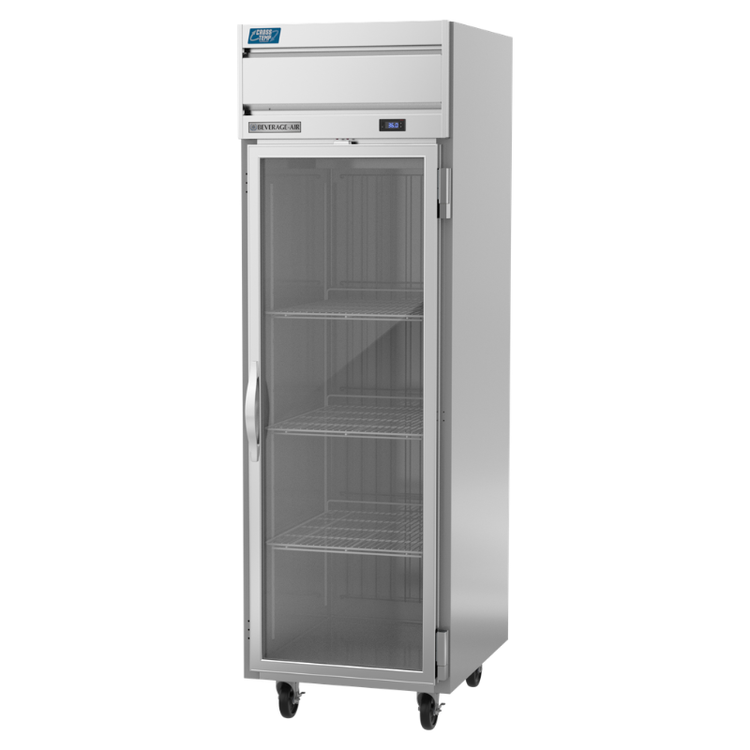
Cross Temp® Technology by Beverage-Air combines flexibility, energy savings, and smart design to support dynamic hotel kitchen operations. These units switch between refrigerator and freezer modes, adapting to changing menus and storage needs, all within a single cabinet.
🔑 Key Benefits:
Dual Functionality: Converts between fridge and freezer (−15°F to 40°F) in under an hour.
Labor-Saving: Rapid temperature recovery and intuitive controls maintain food quality while reducing manual intervention from staff.
Energy Efficient: Variable speed compressor delivers up to 30% more energy efficiency compared to a single-speed. Uses R290 refrigerant for reduced environmental impact.
*Expert Tip: Effective January 1, 2025, the U.S. Environmental Protection Agency requires most new commercial refrigeration systems to use refrigerants with a Global Warming Potential (GWP) of 700 or lower under the AIM Act. R290, with a GWP of approximately 3, meets this standard—helping properties stay compliant while supporting sustainability goals.
Hot To Go
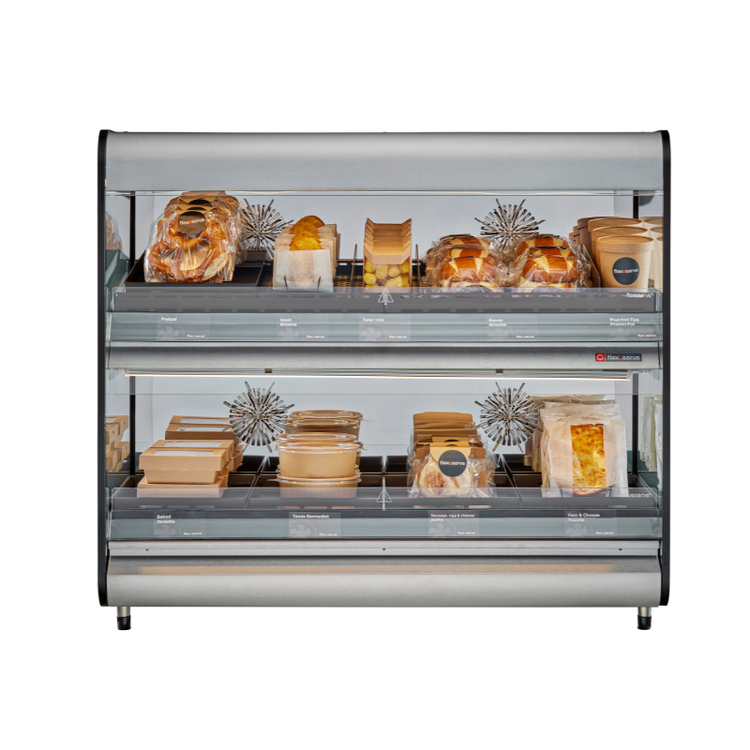
The Flexeserve Zone is redefining hot-holding efficiency with its patented 3D air recirculation technology that keeps a variety of hot foods at optimal serving temperatures—longer and more efficiently. Trusted by leading operators, it helps streamline kitchen flow and reduce labor costs. Available in countertop, floor-standing, and rear-feed models to suit any space.
🔑 Key Benefits:
Multi-Temperature Holding: Maintains different hot foods at ideal temperatures in one unit. Food stays fresh for longer periods, limiting food waste.
Labor-Saving: Reduces manual intervention and food waste, freeing staff for other tasks.
Energy Efficient: Innovative airflow and insulation deliver significant energy savings.
Precision Meets Performance
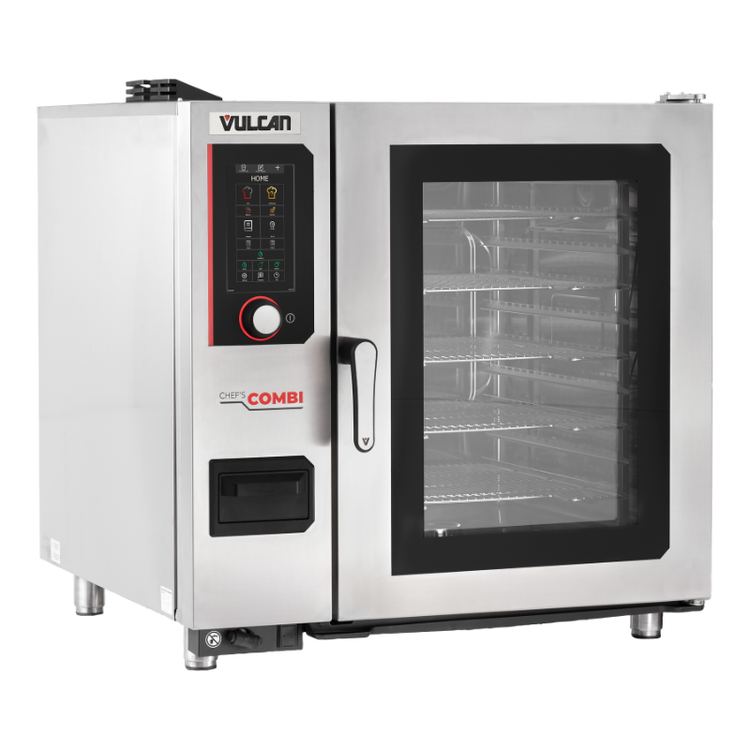
Chef’sCombi from ITW Food Equipment Group delivers multi-function cooking, automation, and consistent results—backed by over a century of expertise. Designed for culinary teams focused on quality and efficiency, it adapts to any kitchen flow and simplifies daily operations.
🔑 Key Benefits:
Multi-Function Cooking: Roast, steam, bake, grill, or regenerate—all in one unit with precise humidity and heat control for perfect results every time. Maximize protein yield while minimizing energy and water use.
Labor-Saving Automation: AutoMode, pre-programmed recipes, and automated cleaning reduce manual effort and free staff for higher-value tasks.
User-Friendly Design: Touchscreen interface and core temperature probe simplify operation for all skill levels.
Find more expert insights like this in the Fall/Winter 2025-26 Edge Magazine. Request your copy today!
ELEVATE KITCHEN EFFICIENCY WITH SMARTER EQUIPMENT SOLUTIONS
FAQs
How can smarter kitchen equipment help hotels address labor shortages?
Modern equipment incorporates automation, faster recovery times, and multi‑function capabilities that reduce manual labor. This allows smaller teams to maintain quality and efficiency while focusing on guest experience and higher‑value tasks.
What types of kitchen equipment can lower operational and energy costs?
Solutions such as variable‑speed refrigeration, energy‑efficient hot‑holding systems, and multi‑function combi ovens reduce electricity use, minimize food waste, and consolidate multiple appliances into a single unit—driving down both labor and utility expenses.
Why should hotels upgrade equipment now with new sustainability laws coming?
Beginning January 1, 2025, U.S. regulations require lower‑GWP refrigerants for commercial refrigeration. Equipment using compliant refrigerants like R290 ensure future-proof operations while also reducing environmental impact and supporting brand sustainability goals.