Low Cost, High Impact: Menu Strategies That Drive Hotel F&B Revenue
Key Takeaways
Hotels can improve food and beverage profitability by using high-quality, ready-to-use ingredients that reduce labor, simplify execution, and maintain menu consistency.
Versatile menu components such as hummus, ready-made global broths, fully cooked grains, and pre-portioned proteins can be used across multiple dishes and outlets to minimize waste and maximize margins.
Guests are willing to pay premium prices for familiar foods elevated with global flavors, creative presentations, and chef-inspired customization, creating opportunities for revenue growth without significant operational complexity.
In a market where culinary talent is increasingly hard to recruit—and even harder to retain—hotel operators are rethinking how menus are built.
By leveraging high-quality, ready-to-use products and layering in thoughtful flavor upgrades, operators can create menus that feel elevated, perform consistently, and drive revenue without increasing labor or food costs.
Edge Magazine tapped into expertise from Aramark + Avendra International’s Culinary Center of Excellence to highlight low cost, high impact ingredients that deliver versatility, speed, and guest appeal across hotel dining outlets.
Consistency + Creativity = Profit
“Today’s guests expect bold flavors, global influence, and comfort they can trust. At the same time, kitchens need solutions that reduce prep time, minimize training, and ensure consistency across shifts and locations,” says Paul Carr, VP of Culinary Integration, Global Supply Chain & GPOs, Aramark + Avendra International.
The opportunity? Ingredients that are ready to use, flexible across menus, and easy to customize, allowing teams to focus on execution and experience rather than complexity.
Whether you’re managing a hotel restaurant, bar, grab-and-go program, or banquet operation, these strategies help you do more with less while protecting margins.
Fresh Cut Protein
For U.S. operators, Avendra’s Fresh Cut Protein program provides high‑quality, pre‑portioned proteins that meet strict quality assurance standards. The result: reduced labor, consistent portioning, and less food waste—without sacrificing flavor or presentation.
Top Low Cost, High Impact Menu Moves
Hummus: A Familiar Base with Built-In Upsell
Hummus has officially moved from trend to staple, making it a reliable foundation for grab-and-go, small plates, and composed entrées. It’s affordable, widely loved, and highly adaptable.
“Guests recognize hummus instantly, but they’re willing to pay more when it feels chef-driven,” says Carr.
High-impact upgrades include:
Blend in harissa to add warmth and global flavor.
Top with spicy roasted garbanzo beans for crunch and visual appeal.
Use a creative plating style to impress guests whose “phone eats first.”
Try it out: Position hummus as a mezze plate, bowl base, or protein accompaniment
Menu Inspiration: Hummus Flatbread Starter
Crispy flatbread layered with kalamata olive hummus and topped with fresh spinach, marinated artichokes, and crumbled feta.
“This starter delivers bright Mediterranean flavor with simple ingredients that plate beautifully and perform consistently,” says Carr.
Broth Bowls: Global Comfort Without Skilled Labor
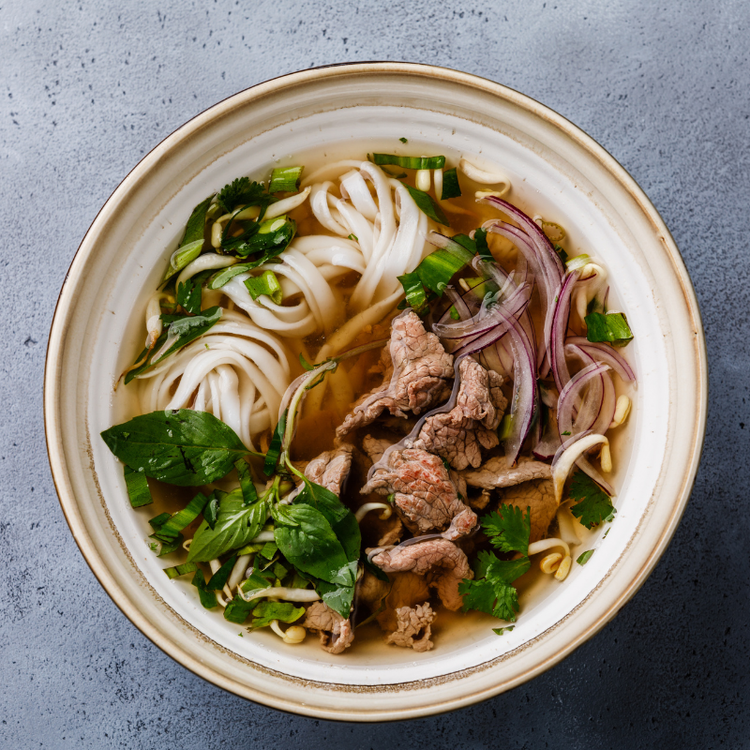
Guests continue to gravitate toward broth bowls for their comfort, customization, and international influence. Today’s high‑quality, ready‑made broths eliminate the need for lengthy cook times or culinary specialization, while delivering consistent flavor.
Popular bases include:
Birria
Pho
Tonkotsu
“These broths allow operators to build signature dishes quickly by layering in cross-utilized proteins and vegetables,” notes Carr.
Try it out: Create a rotating broth bowl menu using the same core add-ins—proteins, grains, and garnishes—to maximize efficiency.
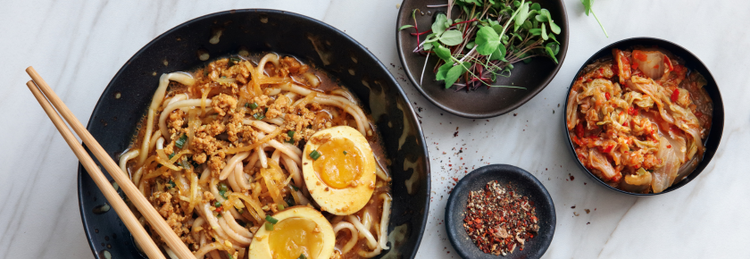
Menu Inspiration: Birria Ramen Bowl
Slow‑simmered Birria broth with ramen noodles and shredded beef, finished with a soft‑boiled egg, sliced jalapeños, green onions, chopped cilantro, and a squeeze of fresh lime.
“This fusion dish elevates traditional Birria with a modern ramen twist, offering bold flavor without complicating execution,” says Carr.
Fully Cooked Grains & Pulses: Consistency You Can Count On
Advances in food technology have made fully cooked, shelf-stable grains and pulses dependable, high-quality foundations for modern menus. They offer consistent texture and flavor every time—no soaking, simmering, or guesswork required—ideal for labor-constrained kitchens.
Top performers include:
Tri-color quinoa
Farro
Black lentils
Try it out: Grains can be incorporated into salads, bowls, sides, and vegetarian entrées, supporting wellness trends and menu flexibility.
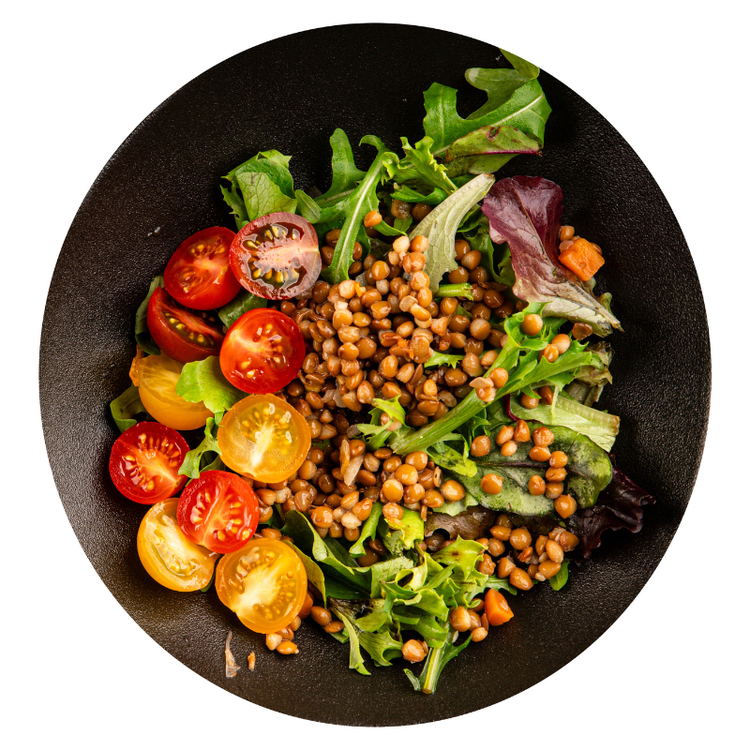
Menu Inspiration: Warm Black Lentil Salad over Baby Arugula
Black lentils with caramelized onions and roasted wild mushrooms, served over baby arugula tossed with white truffle oil and balsamic vinegar, finished with toasted pine nuts.
“This dish delivers premium appeal but relies on ingredients that execute consistently every time,” says Carr.
Menu Inspiration: High-End Flavor, Low Operational Lift
Hatch Chile Cheese Sauce
Comfort food remains a strong revenue driver, and ready-to-use Hatch Chile Cheese Sauce offers an easy way to elevate classics with bold flavor.
Try it out:
Cavatappi pasta with Hatch Chile cheese sauce
Add cross-utilized proteins like rotisserie chicken or burnt ends
Position as a side or a center-of-plate entrée
“Big flavor, fast execution, and appeal across multiple dayparts make this a strong performer,” notes Carr.
Quick Wins for Your Menu
Cross-utilize ingredients across outlets to reduce SKU count and waste
Lean into global flavors using ready-made bases rather than complex builds
Highlight comfort with a twist—guests crave familiarity with something extra
Price with confidence: Quality ingredients justify premium positioning and repeat visits
“If you’re trying to cut costs by cutting corners, the guest will notice,” says Carr. “Use quality products, keep execution simple, and let the menu do the work.”
Explore more expert insights in the Spring/Summer 2026 edition of Edge Magazine – North America. Download your copy here.
LOW COST, HIGH IMPACT: MENU STRATEGIES THAT DRIVE F&B REVENUE
FAQs
How can hotels increase F&B revenue without adding labor costs?
Hotels can leverage ready-to-use ingredients, pre-portioned proteins, and cross-utilized menu items to reduce preparation time, improve consistency, and create profitable menu offerings with minimal additional labor.
What types of ingredients deliver the highest operational and financial impact?
High-impact ingredients include fresh cut proteins, hummus, ready-made broth bases, fully cooked grains and pulses, and prepared sauces that support multiple menu applications and reduce kitchen complexity.
What menu trends are driving guest demand in hotel dining?
Guests continue to seek global flavors, customizable comfort foods, wellness-oriented ingredients, and visually appealing dishes that offer a familiar experience with a unique twist.