Food and beverage trends 2026-27 for hospitality and foodservice
Key Takeaways
The guide identifies 12 trends spanning changing meal patterns, GLP-1-related appetite changes, convenience, no/low alcohol, functional drinks and culinary cocktails.
Ingredient-led trends include renewed interest in bread craft, value-led meat cookery and greater authenticity in global cuisines.
Sustainability and technology themes include plant-forward food, proactive food-waste prevention, AI/sensors and emerging gene-editing applications.
Translate trends into practical menu, drinks, procurement and kitchen-workflow changes rather than following trends for their own sake.
Food and beverage trends shaping European hospitality in 2026-27
From the growing influence of GLP-1 medications on consumer eating habits, to the rise of functional drinks and global cuisine authenticity, hospitality and foodservice menus across Europe are under pressure to evolve faster than ever. Our complete F&B Trends Guide covers the 12 food and beverage trends shaping 2026-2027 - plus the practical steps and chef-developed recipes operators can use to improve margins, respond to changing consumer demand, and stay competitive. Here’s a preview.
F&B trends across hospitality and foodservice in Europe are shifting faster than ever — and the forces driving change aren't just culinary. They're pharmaceutical, technological and deeply cultural.
For operators across hotels, restaurants, healthcare settings and education, keeping pace requires more than awareness. It requires a smarter approach to menu strategy - one that connects what's happening in consumer behaviour, science and culture directly to how you plan, source and serve.
Whether you're a head chef, catering manager or foodservice leader, the trends reshaping F&B in 2026 and beyond are creating both pressure and opportunity in equal measure.
As Paul Bloxham, Head of Culinary at Avendra International Europe, explains:
“The operators who stay ahead won’t just follow trends - they’ll translate them into smarter menus, better margins and more relevant customer experiences.”
Below, Paul breaks down the twelve food and beverage trends reshaping hospitality and foodservice menus across Europe.
For a deeper dive, the F&B Trends and Insights Guide 2026–2027 brings all twelve trends together with practical guidance and recipes to help you respond to changing consumer demand.
Eating behaviour trends changing hospitality menus in 2026
The most significant shift in 2026 isn't what's on the plate, it's the relationship your customers have with mealtimes themselves.
Three trends are reshaping eating behaviour in ways that directly affect how you plan menus.
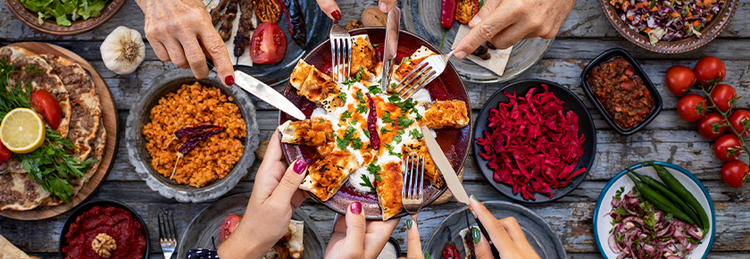
The traditional three-meals-a-day structure is losing ground, particularly among younger customers, who are replacing structured mealtimes with flexible grazing and sharing. Menus built around small plates, bold flavours and shareable formats are resonating strongly across restaurants, workplace catering and education settings.
GLP-1 medications like Ozempic and Wegovy are changing appetite patterns at scale. Users typically eat smaller portions, prioritise protein and nutrient density, and are less drawn to ultra-processed or high-sugar options. Whilst European adoption is still growing, the direction of travel is clear. The response isn't to restrict menus - it's to ensure every menu has something genuinely nourishing and pleasurable, alongside permissible indulgences.
Convenience is no longer a compromise. A global skills shortage has made ultra-convenient, high-quality food essential to any hybrid food strategy. AI-assisted planning, cooking technology, lobby micro-stores and next-generation vending are all reshaping what 'convenience' means.
Drinks trends shaping hospitality menus in 2026
What's in the glass now matters as much as what's on the plate. Three distinct trends are converging to reshape what customers order and their evolving expectations.
Moderation has entered the mainstream. Many consumers are actively moderating their alcohol consumption, and younger customers are leading this shift. The expectation has moved on from soft drinks to non-alcoholic options crafted with the same care and sophistication as their alcoholic counterparts. No/low is no longer an add-on: it's the foundation of a modern drinks menu.
Functional drinks are moving from wellness shelves to bar menus. Customers increasingly want drinks that do something - promote relaxation, sharpen focus or lift mood - without sacrificing flavour.
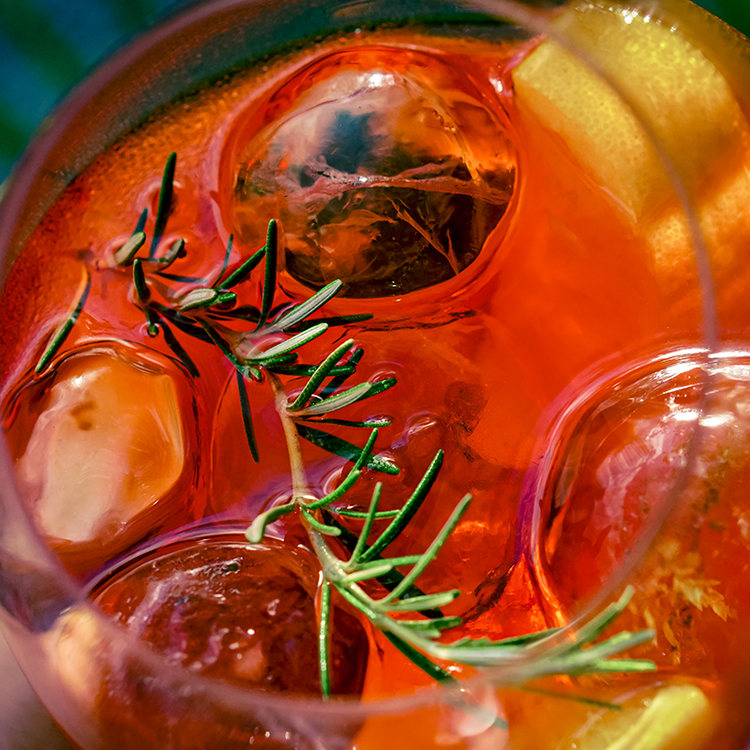
The culinary cocktail has become the baseline expectation. Savoury profiles, fermented bases, house-made cordials and kombuchas are now standard tools for any serious drinks programme. Hyperlocal botanicals, shrubs and seasonal infusions give drinks a sense of place and story, just as wine does.
Ingredient and menu trends driving hospitality differentiation
Customers aren't always chasing the new - sometimes they want the familiar, done brilliantly. The operators winning right now are those who are going deeper into ingredients and craft.
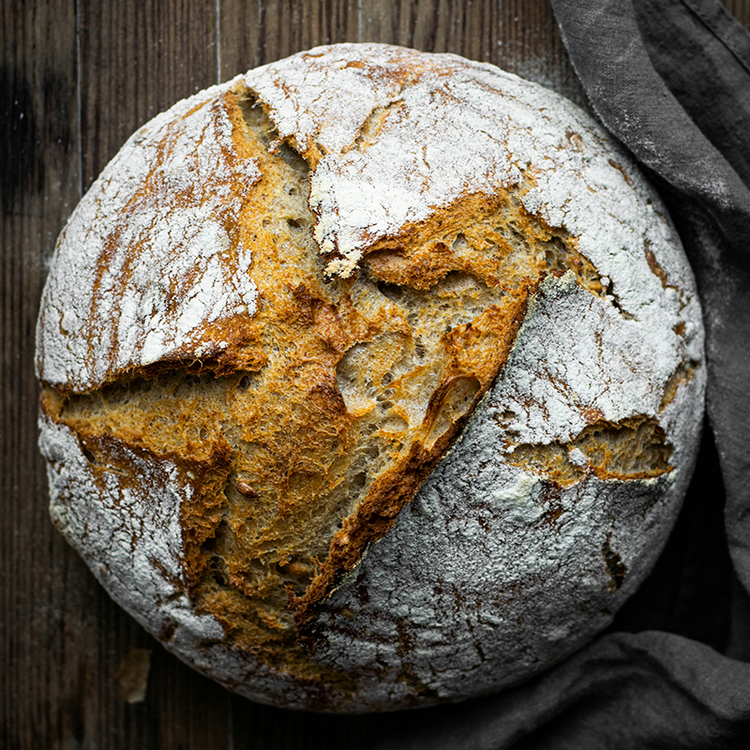
Bread is having a serious moment. From the sando renaissance to the Real Bread Movement's push for clean-label, minimal-ingredient loaves, bakers and chefs are rediscovering the craft behind bread-based recipes.
The craft meat revival is putting the butcher back at the centre of the menu. Consumers are turning their focus back to origin and animal welfare. Value cuts are being transformed through global flavours and technique. Value here doesn’t mean cheap: whether the budget stretches to fillet, flank or offal, the quality of sourcing is what matters.
Authenticity is the new premium in global cuisines. Consumers are revisiting Japanese, Italian, Indian, Mexican and Iberian food with greater knowledge and expectation than before. They've watched chefs on social media. They've eaten the real thing on holiday. The opportunity is to go deeper into regional recipes, ancient techniques like fermentation and fat browning, and the stories behind ingredients.
Foodservice sustainability and technology trends for 2026-27
Technology, sustainability and science are converging to reshape food production, waste reduction and supply chains, and the operators who understand these shifts now will be best positioned when they become standard.
Plant-based eating has moved well beyond the faux meat moment. Customers are seeking gut-health benefits and pushing back against ultra-processed ingredients. Variety and creativity are what separate a credible plant offer from one that feels like an afterthought. Read our Plant-Based Guide for more inspiration.
Food waste is shifting from reactive disposal to proactive prevention. Tools like Avendra International’s Pi Food Waste Monitoring Module give teams real-time visibility of where losses occur, their cost impact, and where action is needed. Meanwhile, AI, smart sensors, and improved packaging are helping cut waste earlier in the process – and what can’t be prevented is increasingly being repurposed into valuable ingredients.
Gene editing is frequently misunderstood, but it is beginning to reshape what arrives in professional kitchens. Distinct from traditional GMO processes, it is being used to enhance the nutrient profile of grains, extend shelf life and breed livestock resistant to disease.
How hospitality operators can apply 2026-27 F&B trends
Understanding what's driving F&B trends in 2026 is only useful if it changes how you plan, source and serve. The good news is that most of these shifts don't require significant investment. Instead, they require a different way of thinking about your existing menu, your supplier relationships and your kitchen workflow.
Start with your eating behaviour response. Review your current menu for snackable, shareable formats and high-protein options that work for guests across the dietary spectrum. You don't need a dedicated GLP-1 menu - you need a menu that has something genuinely considered for every customer.
Audit your drinks programme. If your no/low offer amounts to a couple of soft drinks and a mocktail, it's behind where customer expectations are. Invest in one or two premium non-alcoholic options and treat them as a category in their own right.
Shift your focus into procurement and prep. Use tools like the Pi Food Waste Monitoring Module to identify patterns and take targeted action. Keep an eye on emerging innovations that prevent waste before it happens.
The F&B Trends and Insights Guide 2026–2027 covers all of this and more in detail, with chef-developed recipes and practical 'try this' guidance for every trend.
Download the F&B Trends and Insights Guide 2026-27
The food and beverage trends shaping 2026-27 reward operators who are curious, adaptable and genuinely connected to their customers - whether you're navigating a shift in eating behaviour, building a more sustainable drinks programme or making your menus more exciting.
The F&B Trends and Insights Guide 2026–2027 brings all of this together: twelve trends, practical ‘try this’ guidance your team can act on immediately and chef-developed recipes - like Paul's Killer Katsu Club Sando.
About Paul Bloxham, Head of Culinary at Avendra International Europe
Paul Bloxham is Head of Culinary at Avendra International Europe, with over 25 years of experience shaping menus across hospitality and large-scale foodservices. He has held senior culinary roles at Goldman Sachs, JP Morgan and Aramark, and is an Academician of the Royal Academy of Culinary Arts. His work focuses on practical, data-led menu innovation and sustainable foodservice operations.
FAQs
What are the biggest food and beverage trends for hospitality in 2026-27?
Avendra highlights changing meal structures, smaller and more nutrient-focused eating occasions, premium no/low drinks, functional beverages, culinary cocktails, ingredient craftsmanship, global cuisine authenticity, plant-forward food and technology-led waste prevention among the key trends.
How are changing eating habits affecting hospitality menus?
Operators are seeing greater demand for flexible eating occasions, snackable and shareable formats, high-protein choices and convenient food that still delivers quality. The opportunity is to build variety into the core menu rather than create separate menus for every behaviour.
How can hospitality operators reduce food waste using technology?
Tools such as Avendra International’s Pi food waste monitoring module can help teams see where waste occurs, understand its cost and target operational improvements.
How can Avendra International help operators turn F&B trends into practical menu decisions?
Avendra International combines culinary insight with procurement and supplier expertise, helping relevant foodservice operators consider how menu trends, sourcing choices, cost pressures and operational realities fit together.
Can Avendra International support hospitality procurement as menus evolve?
Yes. Avendra International supports food, beverage and non-food procurement and can help organisations improve supplier management, purchasing visibility and value as menus and customer expectations change.