Beverage trends: top 4 drinks trends for hospitality in 2024
Key takeaways
Functional health drinks (fermented drinks, lower-caffeine coffee, turmeric lattes, CBD-infused beverages) are growing as consumers seek tangible wellbeing benefits from what they drink.
No and low-alcohol drinks continue to grow, with UK weekly drinking down by an estimated 5.2 million adults between 2021 and 2023 (KAM Insights), making mocktails and 0.0% options a genuine commercial opportunity.
Plant-based and dairy-free drinks - from nut milks to herbal teas and natural-caffeine energy drinks, are driven by health, ethical and environmental motivations.
Global flavours, including mezcal, yuzu, Korean soju and Japanese shochu, offer operators a way to add depth and cultural intrigue to cocktail and mocktail menus.
Why beverage trends matter for hospitality menus
In 2024, consumers can look forward to a year of diverse and enriching beverage choices, with a strong focus on well-being, the environment, and bold new flavours.
It’s essential for catering operators to stay ahead of the curve, ensuring that their menus reflect the latest trends and cater to evolving customer tastes.
We share our top four beverage trends for 2024:
Functional health drinks
Self-care is taking centre stage this year, and consumers of all ages are seeking beverages that focus on health and well-being.
Functional beverages, which can include ingredients such as herbs, electrolytes, vitamins, minerals and probiotics, are growing in popularity as they promise tangible benefits from increased energy to improved gut health.
Meet these demands by offering innovative drinks such as:
Fermented drinks like kefir and kombucha are popular options for consumers prioritising gut health.
Lower-caffeine coffee is ideal for those concerned about the impact of caffeine on their sleep, and turmeric lattes for their anti-inflammatory and antioxidant benefits
CBD-infused beverages offer health benefits due to their anti-inflammatory properties
No and low-alcohol beverages
The popularity of no and low-alcohol drinks continues to soar with the pursuit of healthier lifestyles. This shift towards moderation is evident across all age groups, with 5.2 million fewer UK adults drinking weekly in 2023 compared to 2021, according to KAM Insights.
Hospitality operators should consider expanding their range of zero-alcohol beverages and mocktails to meet this demand. Brands like Peroni, with their 0.0% offering, exemplify the growing market for alcohol-free alternatives that don’t compromise on taste or quality.
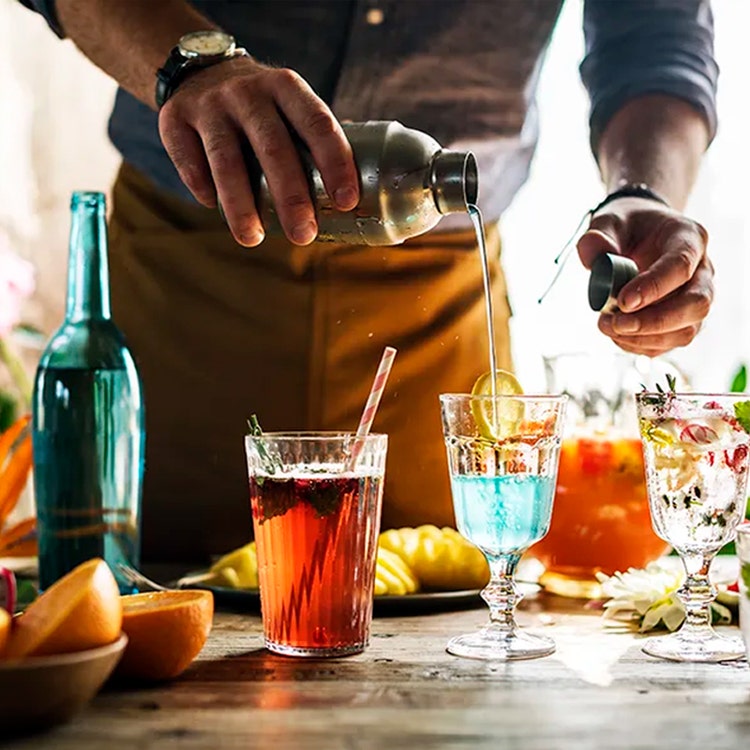
Offering exciting mocktails can help attract customers looking to drink in moderation. From hazelnut espresso martini mocktail creations to ‘Virgin Marys’ – the options are endless!
Plant-based and dairy-free drinks
Consumers are increasingly opting for plant-based offerings and dairy-free alternatives driven by health, ethical, and environmental concerns. You can attract this growing market by offering exciting plant-based drinks.
Here are a few to consider:
Nut milk such as almond, oat, or cashew milk, and trendy options like hemp or flaxseed “mylks” can be added to coffee, tea, or smoothies.
Herbal & floral teas elevate teatime with unique blends featuring locally sourced herbs, flowers, and fruits.
Seasonal plant-based mocktails featuring fresh juices, herbs, spices, and sparkling water. Consider incorporating popular dessert flavours, like elderflower or rhubarb.
Functional drinks that include fruit juices and energy drinks with natural caffeine from yerba mate, green tea and ginseng.
Global flavours in beverages
Cultural exploration and culinary diversity drive the demand for global flavours in beverages. Embracing this trend allows operators to add depth and intrigue to their menus, whether it’s through smoky mezcal-infused cocktails or refreshing yuzu mocktails.
Additionally, the rising popularity of Asian spirits like Korean soju and Japanese shochu presents an opportunity for operators to add a unique twist to classic concoctions.
FAQs
What are functional drinks?
Functional drinks are beverages formulated with ingredients associated with additional benefits beyond basic hydration. They can include vitamins, minerals, electrolytes, probiotics and botanical ingredients, with examples ranging from kombucha and kefir to functional waters and lower-caffeine alternatives.
Why are no and low-alcohol drinks becoming more popular?
Growing interest in moderation, wellness and healthier lifestyles has helped increase demand for no and low-alcohol drinks. For hospitality operators, this creates opportunities to offer more choice through alcohol-free beers, wines and spirits, as well as well-designed mocktails that provide an alternative to traditional alcoholic drinks.
What plant-based drinks can hospitality businesses add to their menus?
Plant-based options can extend beyond dairy alternatives such as oat, almond and other plant-based milks. Hospitality businesses can also explore herbal and botanical teas, fresh juices and plant-led mocktails, giving customers greater choice and helping menus respond to changing dietary preferences.
How can global flavours inspire cocktail and mocktail menus?
Exploring ingredients and drinks from different cultures can help hospitality businesses introduce new flavours and experiences to their beverage menus. Examples highlighted in beverage trends include Japanese yuzu, Korean soju, Japanese shochu and agave-based spirits, alongside globally inspired ingredients that can be incorporated into cocktails and alcohol-free serves.
Can Avendra International help hospitality businesses source new beverage products?
Yes. Avendra International supports hospitality businesses with food and beverage procurement, using procurement expertise and its supplier network to help clients source products that meet their operational requirements. Bespoke procurement support can also include supplier sourcing, negotiations and ongoing supplier management.