New School Food Standards 2027: What’s changing and how schools can prepare
The first major review of the School Food Standards in more than a decade will bring significant changes for schools and caterers from September 2027.
Anna-Maria Holt RD explains what catering teams and business managers can do now to understand the requirements, review their current provision and prepare for a smooth transition.
What is changing and when?
School food is entering a new era. Following the first major review of the School Food Standards in more than ten years, the Government published its response on 14 September 2026. Subject to Parliamentary approval, expected in October 2026, the updated standards which will apply to Primary and Secondary Schools are set to come into force from September 2027, with some secondary-school requirements phased in from September 2028.
The changes are designed to bring school food more closely in line with current national dietary recommendations, with greater emphasis on fibre, fruit, vegetables and pulses, alongside reductions in foods high in fat, sugar and salt, and drinks high in sugar content. New standards for breakfast are also being introduced.
The key changes at a glance
The updated standards will introduce important changes across food and drinks served throughout the school day.
There will be greater emphasis on higher-fibre starchy foods such as bread, pasta and rice while fruit, vegetables and pulses will play a much more prominent role across the menu, alongside tighter controls on foods high in fat, sugar and salt.
Deep-fried foods will no longer be permitted, while the frequency of certain foods, including processed meat and cheese as a main ingredient, will be restricted. There will also be new requirements around breakfast provision and drinks.
The Government's response makes clear that school food should be varied, tasty and enjoyable, an important reminder that compliance with the Standards is only one part of delivering a successful catering operation. This is easier said than done.
Key changes to school meals include:
No deep-fried food
Increased provision of wholegrains, fruit, vegetables and pulses
At least 50% wholewheat/brown versions of rice and pasta
New requirements for higher-fibre bread
Restrictions on the frequency of processed meat
Restrictions on cheese as a main ingredient
Tighter controls on sugar, salt, condiments and spreads
Restrictions on sweetened baked products and desserts
Changes to drinks, including the removal of fruit juice from school meal services
New breakfast standards
Restrictions on snacks, with the permitted range becoming more tightly defined.
N.B. The precise implementation requirements should be checked against the final regulations and updated DfE guidance as these are published - expected in Autumn 2026.
New breakfast standards
The new standards introduce a dedicated framework for breakfast. This is especially relevant given the expansion of school breakfast provision.
The new standards place starchy carbohydrates at the heart of breakfast, alongside fruit and vegetables, suitable dairy or plant-based options and water. Foods such as chocolate products, packaged cereal bars, pancakes and croissants are not compatible with the new breakfast standards.
For caterers, this means breakfast should be considered as a separate menu-planning exercise rather than simply an extension of lunchtime provision.
There is also an opportunity here. A well-designed breakfast can be simple, affordable, and operationally straightforward while providing pupils with a nutritious start to the day.
What this means for catering teams, bursars and business managers
For school caterers, however, this is not simply a case of changing a menu. The implications stretch across recipe development, procurement, supplier specifications, equipment, staffing, training, contracts, budgets and perhaps most importantly, pupil acceptance.
For caterers, bursars and business managers, now is the time to understand what is coming and start planning for the changes.
For bursars and business managers, the transition needs to be considered commercially as well as nutritionally.
Potential areas of impact include:
Food costs - Will new products cost more?
Supplier contracts - Will specifications need to change?
Equipment - Will removing deep frying affect existing equipment or kitchen layouts?
Labour - Will new preparation and cooking methods require additional time?
Waste - Will pupils initially reject unfamiliar products?
Meal uptake - Could changes affect participation in school meals?
Staff training - Will kitchen teams need additional training in recipe preparation or allergen management?
Contract management - Are responsibilities for compliance clearly defined?
The DfE's guidance recognises the relationship between good school food, meal uptake and school finances. Its guidance for governors specifically identifies increasing school meal take-up as having financial benefits for schools.
That makes pupil acceptance a financial consideration as well as a nutritional one.
Start with your suppliers and product specifications
One of the most practical challenges is likely to sit outside the kitchen. Understanding what is available from your suppliers is a good place to start.
Can your suppliers provide the products you need?
The new standards place greater emphasis on increasing fibre and reducing sugar, with specific nutrient-level requirements for all breads, breakfast cereals, dairy yoghurts, and plant-based versions, fromage frais, custard, rice puddings and drinks.
Caterers should therefore start asking suppliers for nutritional specifications rather than relying on product names alone.
Given that the final detail of the standards is yet to be laid in law, suppliers will need time to adapt their offer to meet their customers in schools’ requirements.
To get started, you can ask for the following information:
Product availability from your suppliers
Nutrient information for fibre, sugar, fat and salt per 100g
Ingredient specifications including wholegrain or wholemeal percentage for breads, and pasta
Portion sizes
Pricing
Adapt your menu while keeping pupils on board
From a dietitian's perspective, this is perhaps the most important message.
Don't simply take popular foods away. Start developing and testing healthier versions that move your menu towards the new food standards now in readiness for September 2027.
Build more fibre into familiar dishes
The increased emphasis on fibre is a significant nutritional opportunity. There are many ways to increase fibre without making menus dull and restrictive. Think beyond brown bread.
Consider incorporating the following into your offer:
Wholewheat pasta
Higher-fibre breads and wraps
Oats
Wholegrain cereals
Brown rice and other wholegrains
Potatoes with their skins, where appropriate
Beans, lentils, chickpeas
Fruit
Vegetables
Pulses are particularly useful because they can contribute fibre and protein and can be incorporated into familiar dishes.
For example:
Lentils in Bolognese
Beans in chilli
Chickpeas in curry
Lentils in soups
Hummus in wraps
The most successful reformulation often happens almost invisibly: pupils enjoy the dish first and discover the nutritional benefits second.
Rethink grab-and-go for secondary pupils
Secondary schools, in particular, need to think carefully about grab-and-go. Speed, convenience and choice are major drivers of pupil behaviour. The answer is not to abandon grab-and-go, but to develop products that work within the new standards.
Consider options such as:
Filled wraps
Sandwiches
Jacket potatoes
Vegetable-based options
Fruit
Suitable yoghurt or plant-based alternatives
Higher-fibre breads
Savoury options that meet the new requirements
The key challenge is to design these products around what pupils actually want to buy and eat.
What to start reviewing now
September 2027 may sound a long way away, but menu development, procurement and operational change take time.
The DfE is already advising schools to review their proposed changes, discuss them with catering providers, review menus, contracts and procurement arrangements, and prepare for further requirements around governance and publishing menus and school food policies online.
For caterers, this is the opportunity for planned menu development. For bursars and business managers, it is an opportunity to understand the financial and operational implications before changes become urgent. And for pupils, the ultimate test will be whether they like the new recipes and menu.
The new School Food Standards provide the nutritional framework. The challenge and the opportunity for the school food sector is to turn that framework into food that pupils genuinely enjoy.
By the time September 2027 arrives, the aim should not simply be to have a compliant menu. It should be to have a food offer that is nutritious, appealing, practical and financially sustainable.
N.B. The requirements set out in this article are subject to Parliamentary approval.
Preparing for the new School Food Standards means reviewing your menus, products, kitchen equipment and costs. We can support you with:
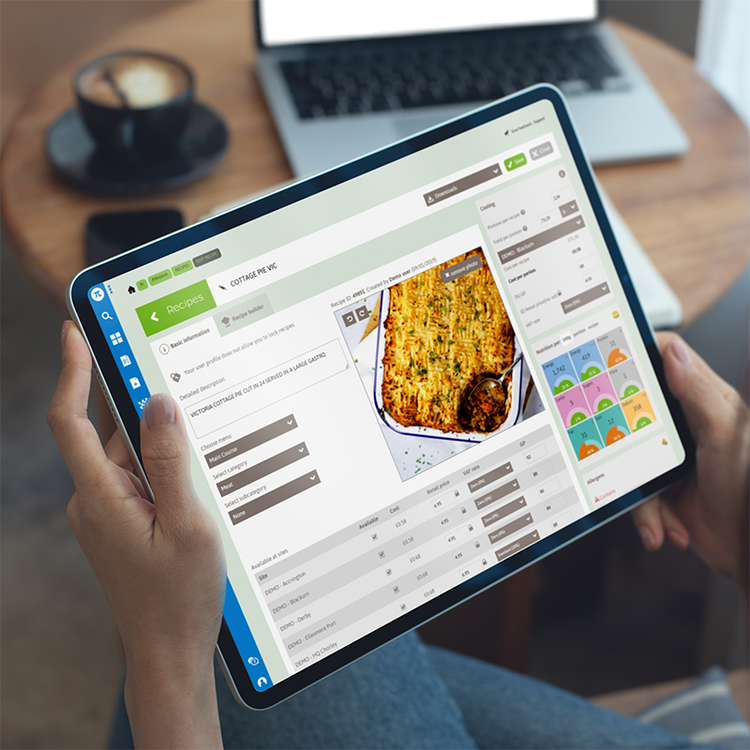
Menu planning and recipe development. Create and update recipes and menus in Piranha, Pi’s menu management tool, with your whole team working from the same information.
Nutrition, calories and allergens. Access supplier product data in Piranha, reducing time spent gathering information and helping your team make informed menu choices.
Price management. Control your food budgets and recipe costs in Piranha, instantly seeing the impact of product changes.
Products that meet the standards. Your Avendra procurement manager can help you identify suitable products that meet legislation and procure at a competitive price.
Food cost management. Benefit from our procurement team’s price negotiations and regular product reviews to help keep menus within budget.
Commercial kitchen equipment. Get support sourcing equipment suited to your updated menus and cooking methods, helping your kitchen prepare for the changes.
Digital menus for parents and pupils. Publish and share your menus through Pi’s Food Checker web app.
Food ideas pupils will enjoy. Get advice on products and concepts that meet the standards, appeal to pupils and help increase school meal take-up.
Network. Meet other caterers and visit schools for innovation and sharing of best practice, supporting the education sector prepare for the changes.
Get ready for the new School Food Standards with Avendra International
Preparing for September 2027? From menu planning and product sourcing to cost management and kitchen equipment, Avendra International can help your school navigate the changes while keeping pupils and budgets in mind. Contact our team today to find out how we can support your school.
Anna-Maria Holt RD is a Registered Dietitian with over 20 years' experience across the NHS, education and food service sectors.
Alongside her NHS role, she works as a freelance dietitian, specialising in allergen management, school food standards and catering. She delivers practical allergen awareness training and supports schools and catering teams to create safe, compliant food provision.
Anna-Maria has contributed to national best practice guidance and previously served as Secretary of the British Dietetic Association's Food Service Dietitians Specialist Group, reflecting her commitment to improving food service standards.
FAQs
When will the new School Food Standards come into effect?
The updated School Food Standards are expected to come into effect in England from September 2027, subject to Parliamentary approval. Some requirements for secondary schools will be phased in from September 2028. Schools and catering teams should start reviewing their menus, suppliers and operational arrangements now to prepare for the changes.
What are the main changes to the School Food Standards?
The new standards will place greater emphasis on wholegrains, fibre, fruit, vegetables and pulses, while introducing tighter restrictions on foods high in fat, sugar and salt. Key changes include removing deep-fried foods, limiting processed meat and certain cheese-based dishes, introducing new breakfast requirements and updating the rules around drinks, snacks and desserts.
How can schools prepare for the new School Food Standards?
Schools can begin by reviewing their current menus, recipes, product specifications and supplier arrangements. Catering teams should consider introducing more higher-fibre ingredients, testing new recipes with pupils and assessing the potential impact on food costs, kitchen equipment and staff training. Early planning will help schools make a smoother transition.
How will the new School Food Standards affect school catering budgets?
The changes could affect food purchasing costs, supplier contracts, kitchen equipment, preparation time and food waste. Schools may need to source different ingredients or adapt cooking methods. Reviewing costs and working closely with suppliers can help catering teams maintain nutritional standards while managing budgets and encouraging school meal uptake.
How can Avendra International help schools prepare for the new School Food Standards?
Avendra International can support schools with menu planning, recipe development, product sourcing, nutritional information and food cost management. Through procurement expertise, supplier relationships and access to tools such as Pi's menu management platform, Avendra can help schools identify suitable products, manage costs and develop nutritious, appealing menus that pupils will enjoy.